Buy sirmione.eu ?
We are moving the project
sirmione.eu .
Are you interested in purchasing the domain
sirmione.eu ?
domain@kv-gmbh.de · 0541-91531010
Buy sirmione.eu ?
What is skepticism?
Skepticism is an attitude of doubt or disbelief towards certain beliefs or claims. It involves questioning the validity or truth of something, often requiring evidence or logical reasoning to support a claim before accepting it as true. Skepticism can be a healthy approach to critically evaluating information and avoiding being misled by false or unsubstantiated claims. It encourages individuals to think critically and not accept information at face value. **
"Is my skepticism justified?"
It is natural to have skepticism, as it can help us critically evaluate information and make informed decisions. However, it is important to balance skepticism with an open mind and willingness to consider new perspectives. Reflect on the reasons for your skepticism and seek out reliable sources of information to validate your concerns. Ultimately, it is important to trust your instincts and make decisions that align with your values and beliefs. **
Similar search terms for Skepticism
Top-Angebote
Products related to Skepticism:
-
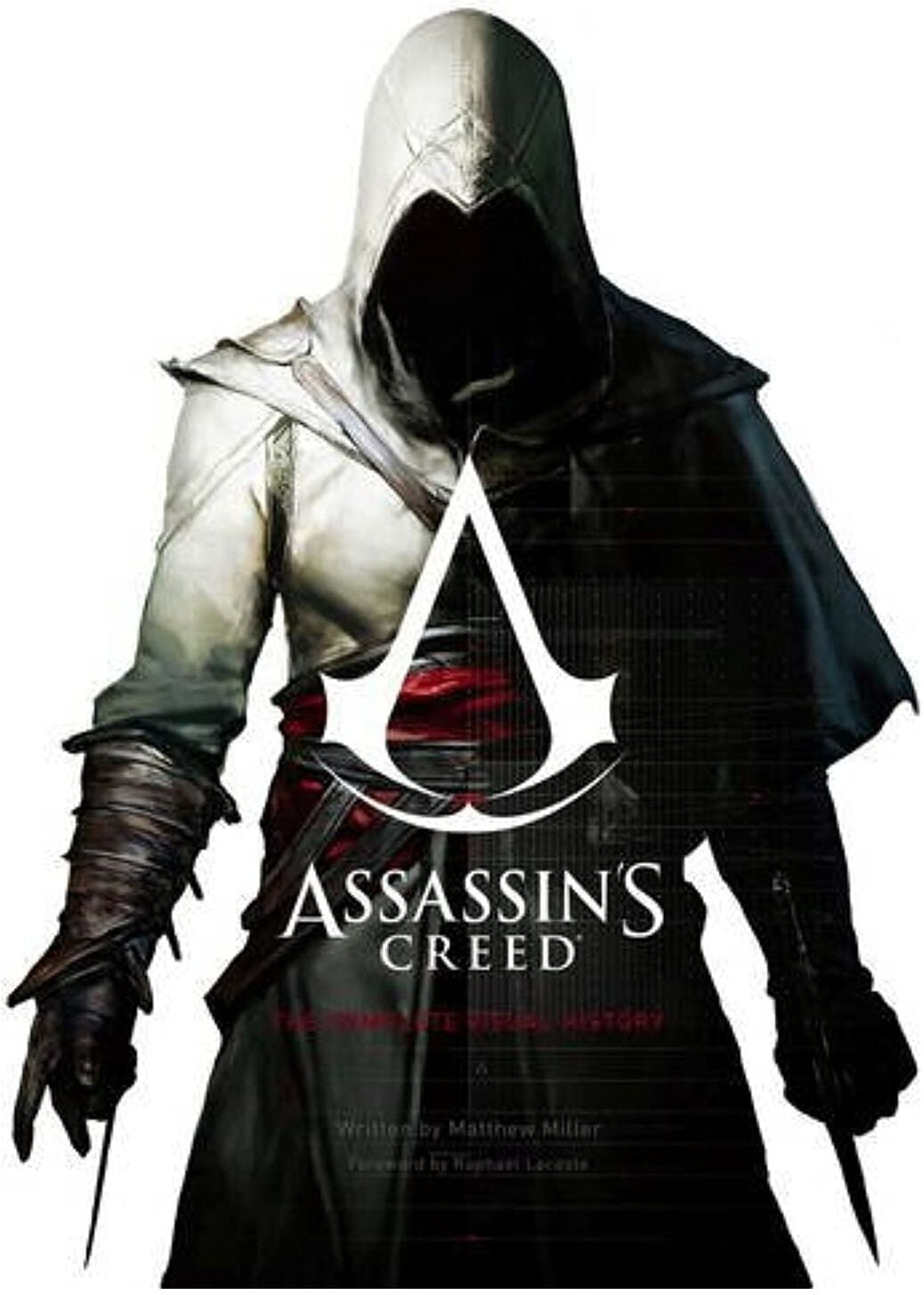
Titan Assassins Creed - The Complete Visual History: The Definitive Visual HistoryThis stunning book explores the rich mythology of Assassins Creed®, featuring the art and history of the series from the first groundbreaking game through the graphic novels to the DLCs. Highlighting the lush and vibrant art that has become a hallmark of the series, this luxury coffee-table book brings the games famous historical locations and figures to life and explores the evolution of each iconic Assassin and Templar.15,99 £*Shipping: 2,99 £Secure redirect to the provider
-
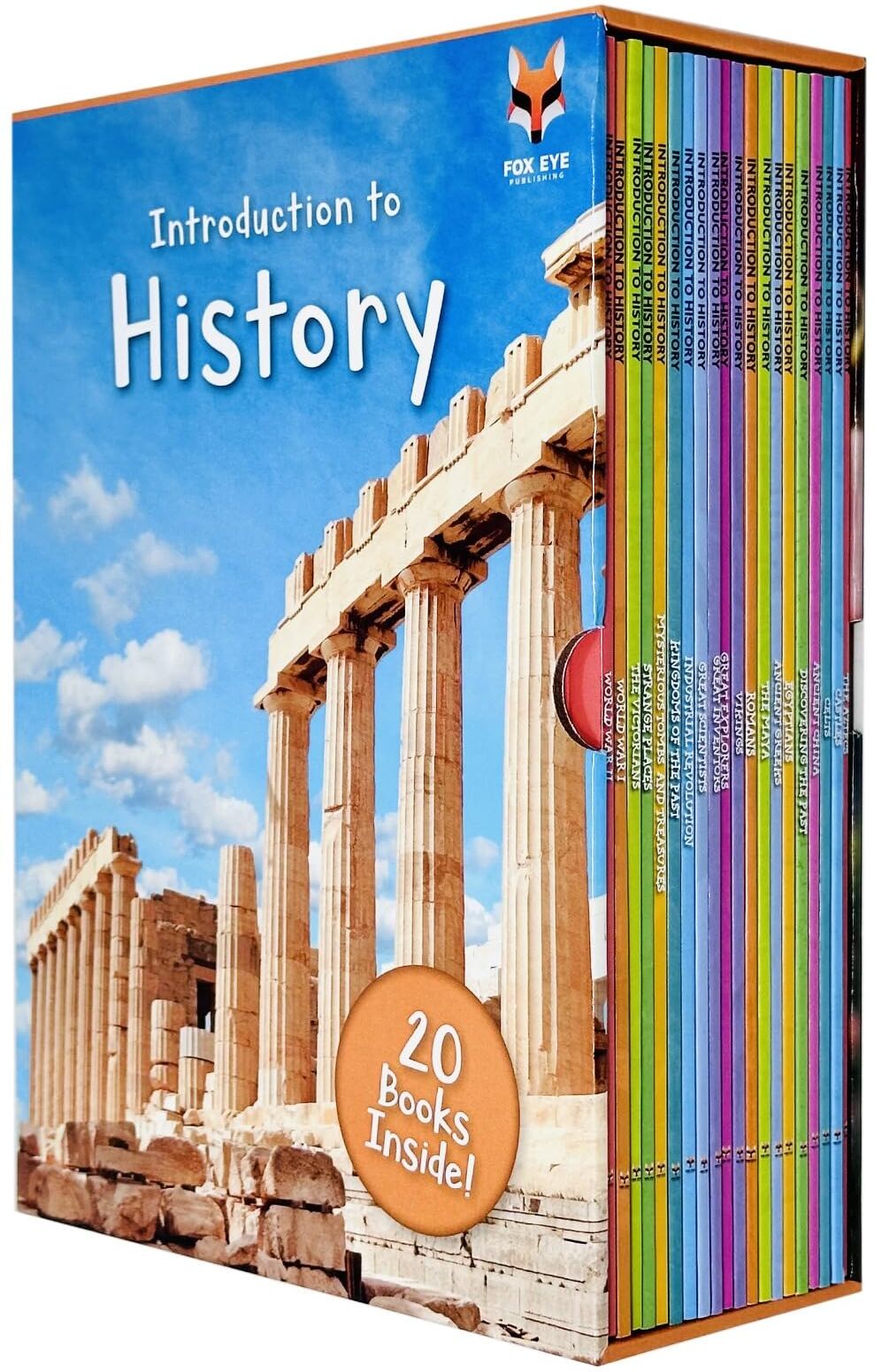
Fox Eye Publishing Introduction to History 20 Books Collection Box Set – Educational History Learning CollectionIntroduction to History 20 Books Collection Box Set (The Aztecs, Castles, Celts, Ancient China, Discovering the Past, Egyptians, Ancient Greeks, The Maya, Romans, Vikings, Great Explorers and More) Books in This Collection: Introduction to The Aztecs Introduction to Castles Introduction to Celts Introduction to Ancient China Introduction to Discovering the Past Introduction to Egyptians Introduction to Ancient Greeks Introduction to The Maya Introduction to Romans Introduction to Vikings Introduction to Great Explorers Introduction to Great Inventors Introduction to Great Scientists Introduction to Industrial Revolution Introduction to Kingdoms of the Past Introduction to Mysterious Tombs and Treasures Introduction to Strange Places Introduction to The Victorians Introduction to World War I Introduction to World War II12,99 £*Shipping: 2,99 £Secure redirect to the provider


-
What is Bertrand Russell's skepticism?
Bertrand Russell's skepticism is a philosophical position that questions the possibility of attaining certain knowledge. He believed that our beliefs and knowledge should be based on evidence and reason rather than faith or intuition. Russell was skeptical of metaphysical claims and religious beliefs, advocating for a scientific and empirical approach to understanding the world. His skepticism led him to challenge traditional philosophical and religious doctrines, encouraging critical thinking and open-mindedness. **
-
Has philosophy or even science overcome skepticism?
Philosophy and science have made significant progress in addressing skepticism, but it is an ongoing process. Both disciplines have developed methods and theories to challenge and counter skepticism, such as the scientific method and philosophical arguments for the reliability of knowledge. However, skepticism continues to be a fundamental challenge in both fields, and there is ongoing debate and inquiry into how to best address and overcome it. While progress has been made, it is an ongoing and complex issue that continues to be a central concern in philosophy and science. **
-
What is the difference between skepticism and rationalism?
Skepticism is the questioning of knowledge and beliefs, often doubting the certainty of truth claims and requiring evidence or justification for beliefs. Rationalism, on the other hand, is the belief that reason and logic are the primary sources of knowledge and justification for beliefs. While skepticism focuses on questioning and doubting beliefs, rationalism emphasizes the importance of reason and logical thinking in forming beliefs and understanding the world. **
-
What is the difference between skepticism and pessimism?
Skepticism is a questioning attitude towards knowledge, beliefs, or claims, where one doubts the validity or truth of something until sufficient evidence is provided. Pessimism, on the other hand, is a negative outlook or belief that things will turn out badly or that the worst will happen. While skepticism involves a critical evaluation of information, pessimism is more about expecting negative outcomes. **


Is the skepticism justified that my friend has a second phone?
It is natural to feel skeptical if your friend has a second phone, as it may raise questions about their intentions or activities. However, it is important to communicate openly with your friend to understand the reason behind having a second phone. It could be for legitimate reasons such as work, privacy, or personal organization. It is essential to approach the situation with an open mind and have a conversation with your friend to address any concerns you may have. **
What is the connection between empiricism, skepticism, and the problem of induction?
Empiricism is the philosophical belief that knowledge comes primarily from sensory experience. Skepticism, on the other hand, is the questioning of the possibility of knowledge and the reliability of our senses. The problem of induction arises in the context of empiricism and skepticism because it questions the validity of making generalizations based on past experiences. In other words, how can we be certain that future events will follow the same patterns as past events, especially when our sensory experiences may be limited or unreliable? **
Top-Angebote
Products related to Skepticism:
-
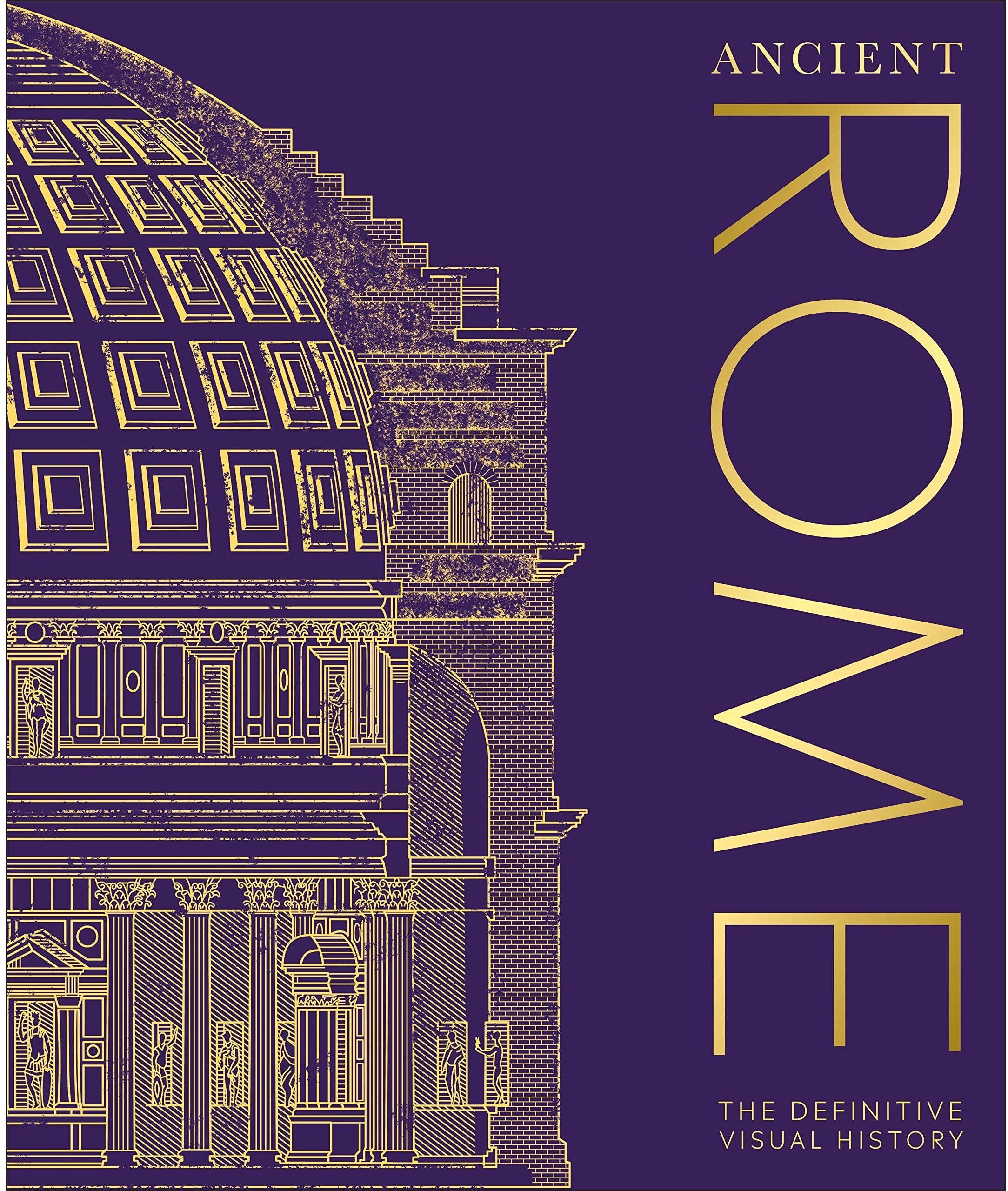
Ancient Rome: The Definitive Visual History (DK Classic History)Immerse yourself in the history of ancient Rome - from its origins as a small settlement on the Palatine Hill to its peak as an empire reigning over 90 million people, and its tumultuous decline. Covering more than 1,000 years of history, and an empire that stretched from Scotland to Syria, Ancient Rome reveals in vivid detail all of the key political, cultural, and military events that shaped the Roman Empire and explores what it was like to live in a society that laid the foundations for many aspects of the modern world. Sumptuous photography and engaging text cover every facet of life in ancient Rome, from art, entertainment, and fashion to engineering, medicine, and war, while detailed maps trace the rise of the mighty Roman Empire. Step back in time in the pages of this history book to discover:- Themed spreads explore developments in areas such as sculpture, religion, warfare, and engineering. - Includes tales of the most dramatic events and battles in Roman history, as well as profiles of influential historical and cultural figures. - An optional 80pp reference section includes sections on rulers, gods and goddesses, and key sites. Featuring Rome's greatest emperors, from Augustus to Constantine, as well as profiles of generals, historians, and influential women, Ancient Rome also delves into the fascinating stories of gladiators, bakers, and enslaved people. The most iconic buildings of Rome are brought to life with specially commissioned CGI recreations, while the stories of ordinary citizens, soldiers, and persecuted groups from across the empire are told with the help of illustrations, artefacts, and eyewitness accounts. Beautifully illustrated and unparalleled in scope, Ancient Rome is the perfect book for anyone who is interested in this defining period of world history.19,95 £*Shipping: 2,99 £Secure redirect to the provider
-
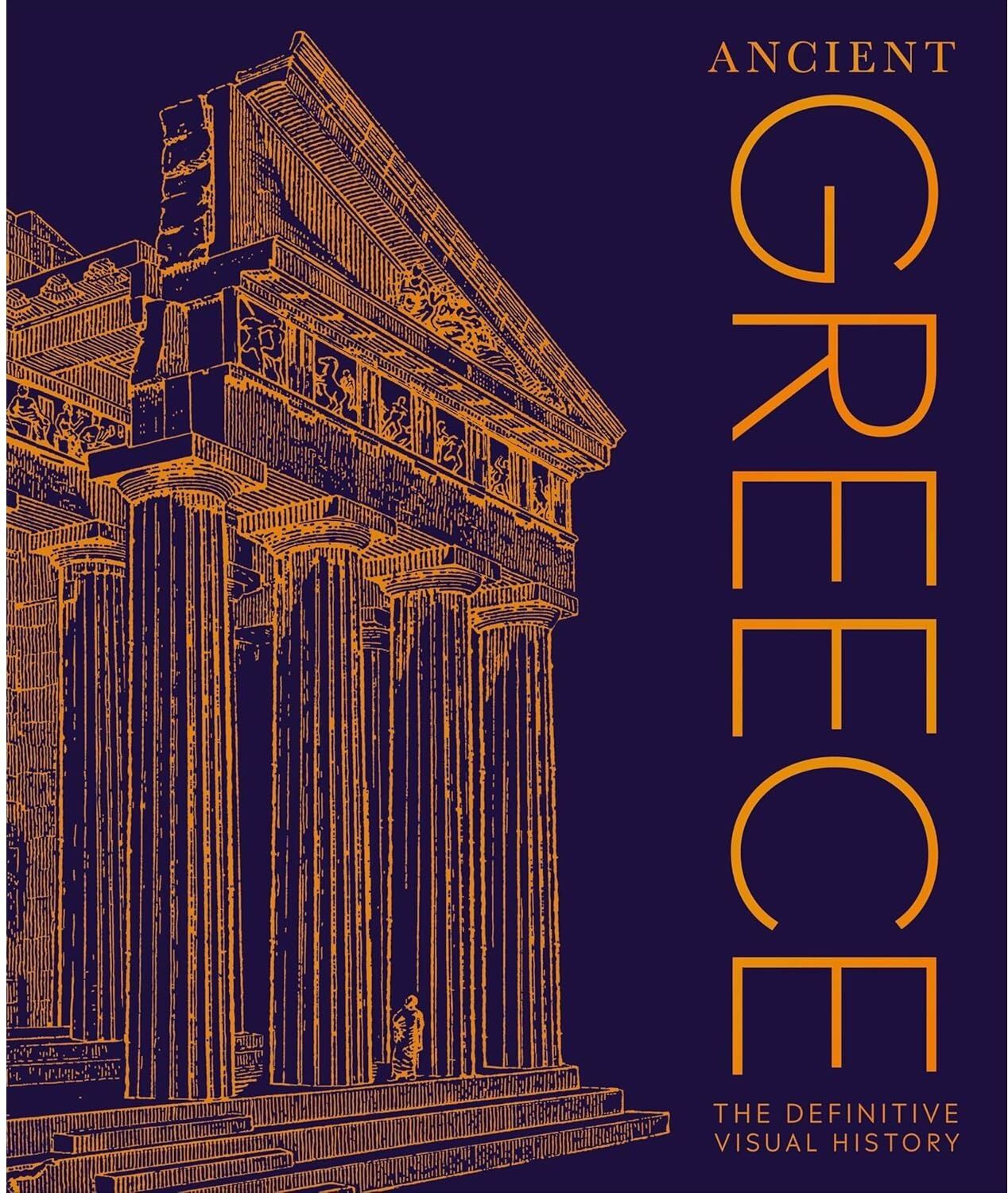
Ancient Greece: The Definitive Visual History (DK Classic History)Embark upon a fascinating journey through ancient Greece – from its rise and fall to its lasting legacy throughout the Western world. Spanning more than 3,000 years, Ancient Greece explores the tumultuous history of this glorious empire in vivid detail – from its Minoan and Mycenaean origins to the apogee of the warring city-states of Athens and Sparta, and from the death of its most charismatic leader, Alexander the Great, to its ultimate defeat by Rome. Sumptuous photography and authoritative, engaging text cover every facet of life in ancient Greece, from art, entertainment, and schools of thought to politics, medicine, and war, while the myths and religious beliefs of the ancient culture are explored and explained in depth. Greece’s military and political power shines through in fascinating maps of its legendary battles. Buried palaces and the Athenian Agora where Plato and Socrates discussed philosophy are brought back to life with stunning CGI artworks. And the stories of everyone from ordinary citizens to lawmakers and the first Olympic athletes are retold through eyewitness accounts and original artefacts.19,99 £*Shipping: 2,99 £Secure redirect to the provider
-
Titan Assassins Creed - The Complete Visual History: The Definitive Visual HistoryThis stunning book explores the rich mythology of Assassins Creed®, featuring the art and history of the series from the first groundbreaking game through the graphic novels to the DLCs. Highlighting the lush and vibrant art that has become a hallmark of the series, this luxury coffee-table book brings the games famous historical locations and figures to life and explores the evolution of each iconic Assassin and Templar.15,99 £*Shipping: 2,99 £Secure redirect to the provider
-
What is skepticism?
Skepticism is an attitude of doubt or disbelief towards certain beliefs or claims. It involves questioning the validity or truth of something, often requiring evidence or logical reasoning to support a claim before accepting it as true. Skepticism can be a healthy approach to critically evaluating information and avoiding being misled by false or unsubstantiated claims. It encourages individuals to think critically and not accept information at face value. **
-
"Is my skepticism justified?"
It is natural to have skepticism, as it can help us critically evaluate information and make informed decisions. However, it is important to balance skepticism with an open mind and willingness to consider new perspectives. Reflect on the reasons for your skepticism and seek out reliable sources of information to validate your concerns. Ultimately, it is important to trust your instincts and make decisions that align with your values and beliefs. **
-
What is Bertrand Russell's skepticism?
Bertrand Russell's skepticism is a philosophical position that questions the possibility of attaining certain knowledge. He believed that our beliefs and knowledge should be based on evidence and reason rather than faith or intuition. Russell was skeptical of metaphysical claims and religious beliefs, advocating for a scientific and empirical approach to understanding the world. His skepticism led him to challenge traditional philosophical and religious doctrines, encouraging critical thinking and open-mindedness. **
-
Has philosophy or even science overcome skepticism?
Philosophy and science have made significant progress in addressing skepticism, but it is an ongoing process. Both disciplines have developed methods and theories to challenge and counter skepticism, such as the scientific method and philosophical arguments for the reliability of knowledge. However, skepticism continues to be a fundamental challenge in both fields, and there is ongoing debate and inquiry into how to best address and overcome it. While progress has been made, it is an ongoing and complex issue that continues to be a central concern in philosophy and science. **
Similar search terms for Skepticism
-
Fox Eye Publishing Introduction to History 20 Books Collection Box Set – Educational History Learning CollectionIntroduction to History 20 Books Collection Box Set (The Aztecs, Castles, Celts, Ancient China, Discovering the Past, Egyptians, Ancient Greeks, The Maya, Romans, Vikings, Great Explorers and More) Books in This Collection: Introduction to The Aztecs Introduction to Castles Introduction to Celts Introduction to Ancient China Introduction to Discovering the Past Introduction to Egyptians Introduction to Ancient Greeks Introduction to The Maya Introduction to Romans Introduction to Vikings Introduction to Great Explorers Introduction to Great Inventors Introduction to Great Scientists Introduction to Industrial Revolution Introduction to Kingdoms of the Past Introduction to Mysterious Tombs and Treasures Introduction to Strange Places Introduction to The Victorians Introduction to World War I Introduction to World War II12,99 £*Shipping: 2,99 £Secure redirect to the provider
-
OM Books International Encyclopedia of History 8 Books Collection Set – World War History & Educational Learning CollectionEncyclopedia of History set of 8 books (World War I, World War II, World War II and Indias Freedom Struggle, Mid Nineteenth and Twentieth Centuries, The French Revolution & More): Titles in This Set: Encyclopedia: World War I Encyclopedia: World War II Encyclopedia: World War II and Indias Freedom Struggle Encyclopedia: Mid Nineteenth and Twentieth Centuries Encyclopedia: The French Revolution Encyclopedia: Middle Ages and the Emergence of Modern Europe Encyclopedia: Prominent Civilisations Encyclopedia: Ancient History Description: What made humans the way they are today? How were civilisations formed and erased? What makes up history? Get answers to all the questions and more in this history encyclopedia. Go back in time and learn all about human history, right from the time man began his journey in stone caves. Relive epic battles, learn about the rise and fall of great empires and a lot more.9,90 £*Shipping: 2,99 £Secure redirect to the provider
-
Usborne Beginners History 10 Books Collection Box Set Educational History Books for Children - Stone Age Iron Age - HARDCOVERUsborne Beginners History 10 Books Collection Box Set Stone Age Iron Age Egyptians Ancient Greeks .. Stone Age This simple information book follows the history of Stone Age people and how they lived. Iron Age This simple information book charts the history of Iron Age people and how they lived; including their farming methods; the gods they prayed to and the hill forts where they lived. Egyptians Who were the ancient Egyptians? Why did they build pyramids and how were mummies made? Ancient Greeks Find out about Ancient Greece; what people wore; ate and did for fun and learn about some of the most famous philosophers and mathematicians of the age in this compelling book for beginner readers. Celts Who were the Celts exactly? Did you know they lived on top of hills? Do you have any idea how Celtic warriors made themselves look really scary in battle? Romans Who were the ancient Romans? Where did they go to eat; shop and wash? What did they do for fun? The Maya Who were the Maya? Where did they live? Why did they build tall stone temples? Vikings Find out what it was like to be a Viking; and learn about Viking homes; feasts; boats; gods and much more in this fascinating book. Castles Who lived in a castle; and what was it like? Children can find out the answers to these questions and lots more about the wonderful world of castles in this informative book. Digging Up the Past How do ancient things get buried? Who digs them up? And what do they find? Beginner readers can find answers to these questions and more in this colourful information book. Related Tags: Usborne, Usbourne14,99 £*Shipping: 2,99 £Secure redirect to the provider
-
What is the difference between skepticism and rationalism?
Skepticism is the questioning of knowledge and beliefs, often doubting the certainty of truth claims and requiring evidence or justification for beliefs. Rationalism, on the other hand, is the belief that reason and logic are the primary sources of knowledge and justification for beliefs. While skepticism focuses on questioning and doubting beliefs, rationalism emphasizes the importance of reason and logical thinking in forming beliefs and understanding the world. **
-
What is the difference between skepticism and pessimism?
Skepticism is a questioning attitude towards knowledge, beliefs, or claims, where one doubts the validity or truth of something until sufficient evidence is provided. Pessimism, on the other hand, is a negative outlook or belief that things will turn out badly or that the worst will happen. While skepticism involves a critical evaluation of information, pessimism is more about expecting negative outcomes. **
-
Is the skepticism justified that my friend has a second phone?
It is natural to feel skeptical if your friend has a second phone, as it may raise questions about their intentions or activities. However, it is important to communicate openly with your friend to understand the reason behind having a second phone. It could be for legitimate reasons such as work, privacy, or personal organization. It is essential to approach the situation with an open mind and have a conversation with your friend to address any concerns you may have. **
-
What is the connection between empiricism, skepticism, and the problem of induction?
Empiricism is the philosophical belief that knowledge comes primarily from sensory experience. Skepticism, on the other hand, is the questioning of the possibility of knowledge and the reliability of our senses. The problem of induction arises in the context of empiricism and skepticism because it questions the validity of making generalizations based on past experiences. In other words, how can we be certain that future events will follow the same patterns as past events, especially when our sensory experiences may be limited or unreliable? **
* All prices are inclusive of VAT and, if applicable, plus shipping costs. The offer information is based on the details provided by the respective shop and is updated through automated processes. Real-time updates do not occur, so deviations can occur in individual cases. ** Note: Parts of this content were created by AI.