Buy sirmione.eu ?
We are moving the project
sirmione.eu .
Are you interested in purchasing the domain
sirmione.eu ?
domain@kv-gmbh.de · 0541-91531010
Buy sirmione.eu ?
What are judicial officers and judicial assistants?
Judicial officers are individuals who hold positions within the judicial system, such as judges, magistrates, or justices. They are responsible for presiding over court proceedings, making legal decisions, and ensuring that the law is upheld. Judicial assistants, on the other hand, are support staff who work closely with judicial officers to help manage their caseloads, prepare legal documents, and assist with administrative tasks. They play a crucial role in the efficient operation of the court system and provide valuable support to judicial officers in their daily responsibilities. **
What is the difference between judicial independence and judicial arbitrariness?
Judicial independence refers to the principle that judges should be free from interference or influence from the other branches of government or external parties, allowing them to make decisions based on the law and facts of the case. On the other hand, judicial arbitrariness occurs when judges make decisions without proper legal reasoning or justification, leading to inconsistent or unpredictable outcomes. Judicial independence is essential for upholding the rule of law and ensuring fair and impartial justice, while judicial arbitrariness undermines the credibility and legitimacy of the judicial system. **

Similar search terms for Judicial
Top-Angebote
Products related to Judicial:
-
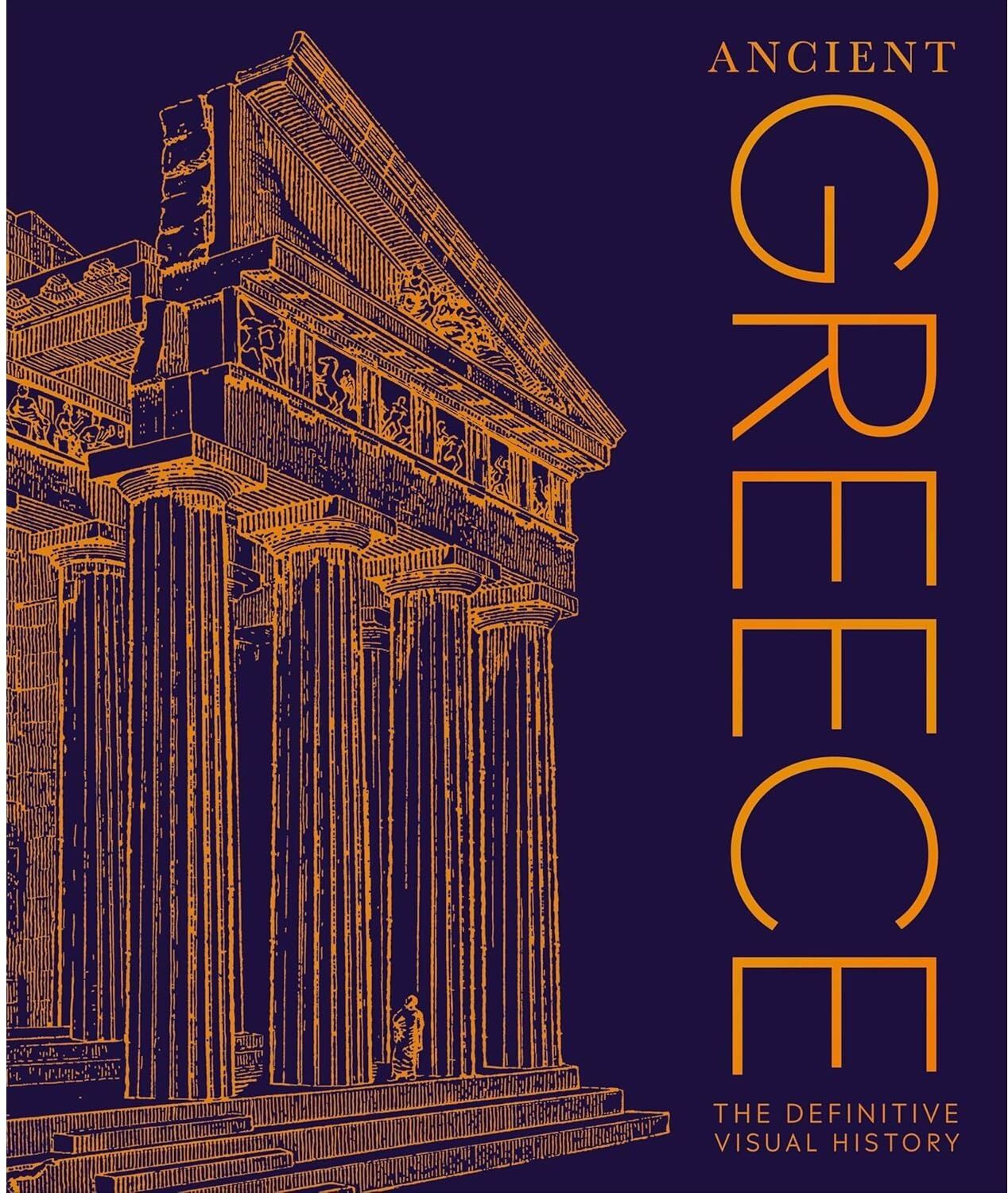
Ancient Greece: The Definitive Visual History (DK Classic History)Embark upon a fascinating journey through ancient Greece – from its rise and fall to its lasting legacy throughout the Western world. Spanning more than 3,000 years, Ancient Greece explores the tumultuous history of this glorious empire in vivid detail – from its Minoan and Mycenaean origins to the apogee of the warring city-states of Athens and Sparta, and from the death of its most charismatic leader, Alexander the Great, to its ultimate defeat by Rome. Sumptuous photography and authoritative, engaging text cover every facet of life in ancient Greece, from art, entertainment, and schools of thought to politics, medicine, and war, while the myths and religious beliefs of the ancient culture are explored and explained in depth. Greece’s military and political power shines through in fascinating maps of its legendary battles. Buried palaces and the Athenian Agora where Plato and Socrates discussed philosophy are brought back to life with stunning CGI artworks. And the stories of everyone from ordinary citizens to lawmakers and the first Olympic athletes are retold through eyewitness accounts and original artefacts.19,99 £*Shipping: 2,99 £Secure redirect to the provider
-
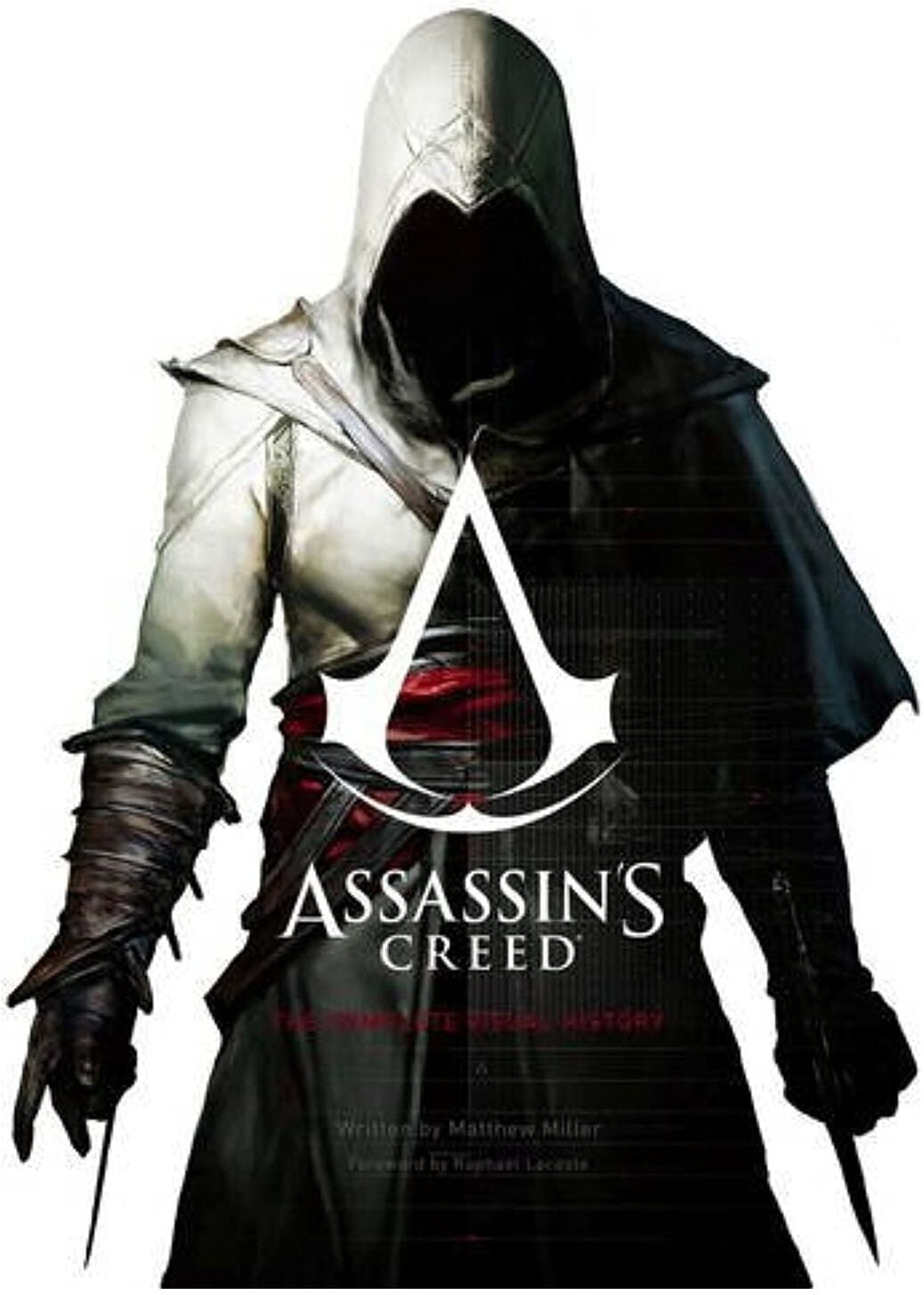
Titan Assassins Creed - The Complete Visual History: The Definitive Visual HistoryThis stunning book explores the rich mythology of Assassins Creed®, featuring the art and history of the series from the first groundbreaking game through the graphic novels to the DLCs. Highlighting the lush and vibrant art that has become a hallmark of the series, this luxury coffee-table book brings the games famous historical locations and figures to life and explores the evolution of each iconic Assassin and Templar.15,99 £*Shipping: 2,99 £Secure redirect to the provider
-
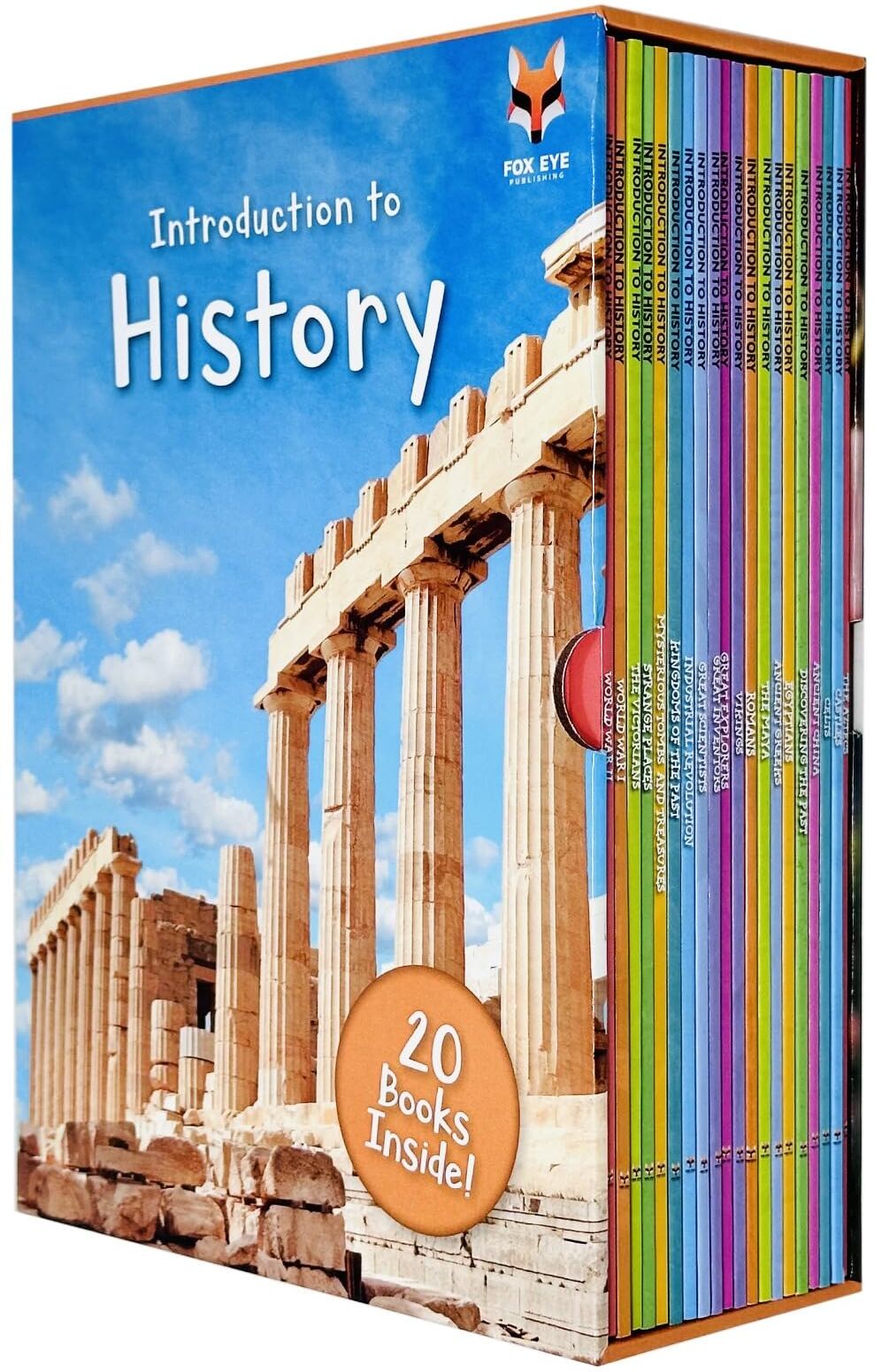
Fox Eye Publishing Introduction to History 20 Books Collection Box Set – Educational History Learning CollectionIntroduction to History 20 Books Collection Box Set (The Aztecs, Castles, Celts, Ancient China, Discovering the Past, Egyptians, Ancient Greeks, The Maya, Romans, Vikings, Great Explorers and More) Books in This Collection: Introduction to The Aztecs Introduction to Castles Introduction to Celts Introduction to Ancient China Introduction to Discovering the Past Introduction to Egyptians Introduction to Ancient Greeks Introduction to The Maya Introduction to Romans Introduction to Vikings Introduction to Great Explorers Introduction to Great Inventors Introduction to Great Scientists Introduction to Industrial Revolution Introduction to Kingdoms of the Past Introduction to Mysterious Tombs and Treasures Introduction to Strange Places Introduction to The Victorians Introduction to World War I Introduction to World War II12,99 £*Shipping: 2,99 £Secure redirect to the provider
-
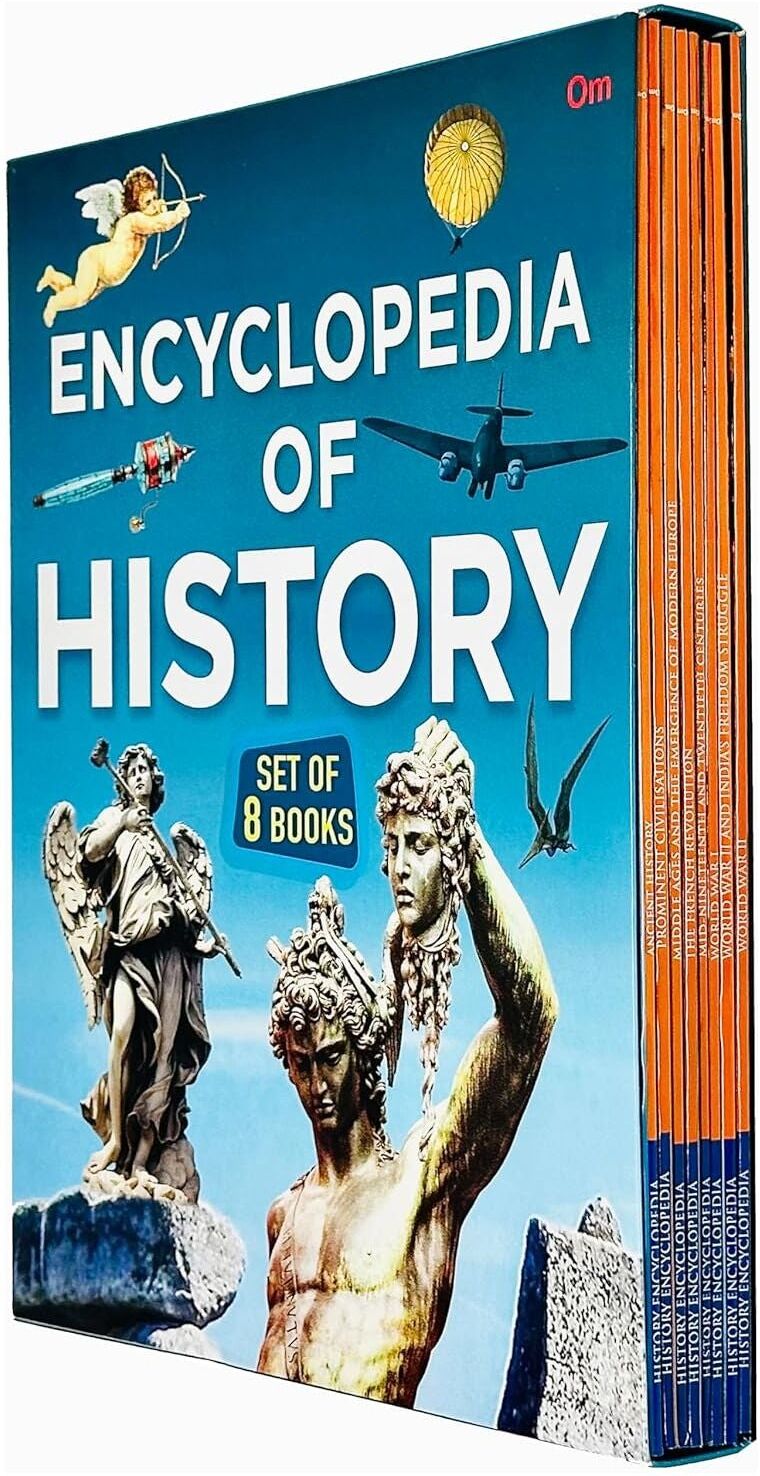
OM Books International Encyclopedia of History 8 Books Collection Set – World War History & Educational Learning CollectionEncyclopedia of History set of 8 books (World War I, World War II, World War II and Indias Freedom Struggle, Mid Nineteenth and Twentieth Centuries, The French Revolution & More): Titles in This Set: Encyclopedia: World War I Encyclopedia: World War II Encyclopedia: World War II and Indias Freedom Struggle Encyclopedia: Mid Nineteenth and Twentieth Centuries Encyclopedia: The French Revolution Encyclopedia: Middle Ages and the Emergence of Modern Europe Encyclopedia: Prominent Civilisations Encyclopedia: Ancient History Description: What made humans the way they are today? How were civilisations formed and erased? What makes up history? Get answers to all the questions and more in this history encyclopedia. Go back in time and learn all about human history, right from the time man began his journey in stone caves. Relive epic battles, learn about the rise and fall of great empires and a lot more.9,90 £*Shipping: 2,99 £Secure redirect to the provider
-
What is the difference between a judicial clerk and a judicial specialist?
A judicial clerk is typically a recent law school graduate who assists judges by conducting legal research, drafting opinions, and managing court proceedings. They work closely with judges to help them make informed decisions. On the other hand, a judicial specialist is a court staff member who performs administrative duties such as managing case files, scheduling court hearings, and assisting with court operations. While both roles support the judicial system, clerks focus more on legal analysis and research, while specialists handle administrative tasks. **
-
How difficult is it to become a judicial clerk or judicial officer?
Becoming a judicial clerk or judicial officer is a highly competitive and challenging process. To become a judicial clerk, one typically needs to have a strong academic record, excellent writing and research skills, and a demonstrated interest in the law. Competition for these positions can be fierce, as they are highly sought after for the valuable experience and networking opportunities they provide. Similarly, becoming a judicial officer, such as a judge, requires extensive legal experience, a stellar reputation in the legal community, and often political connections. Overall, both paths require dedication, hard work, and a strong commitment to the legal profession. **
-
What is the difference between a judicial officer and a senior judicial officer?
A judicial officer is typically a lower-ranking official within the judicial system, such as a magistrate or a judge at the entry level. On the other hand, a senior judicial officer is a higher-ranking official with more experience and authority, often holding a supervisory role over other judicial officers. Senior judicial officers may have the power to make more significant decisions, handle complex cases, and provide guidance to junior officers. In summary, the main difference lies in the level of experience, authority, and responsibilities within the judicial hierarchy. **
-
What is the difference between a judicial constable and a senior judicial constable?
A judicial constable is an entry-level position within the court system responsible for maintaining order and security in courtrooms, serving legal documents, and providing assistance to judges and other court personnel. On the other hand, a senior judicial constable is a more experienced and higher-ranking position within the court system. They may have additional responsibilities such as supervising and training junior constables, overseeing security operations, and handling more complex legal matters. Additionally, senior judicial constables may have a higher level of authority and decision-making power within the court environment. **

What is the difference between a judicial bailiff and a senior judicial bailiff?
A judicial bailiff is a court officer responsible for maintaining order and security in the courtroom, serving legal documents, and executing court orders. A senior judicial bailiff, on the other hand, is a higher-ranking court officer with more experience and responsibilities. They may oversee a team of bailiffs, manage the security and operations of the courtroom, and assist judges with administrative tasks. Additionally, senior judicial bailiffs may have more authority in executing court orders and managing court proceedings. **
Is it a judicial prohibition?
Yes, a judicial prohibition refers to a court order that prohibits a certain action or behavior. It is typically issued by a judge as a legal restriction. This type of prohibition is enforceable by law and failure to comply with it can result in legal consequences. **
Top-Angebote
Products related to Judicial:
-
Laural Home Sunset Lake Woven Throw Blanket"This lake inspired woven throw blanket, ""Sunset Lake,"" is truly one of a kind! Its artistic quality is beautifully detailed and shows a realistic scene of an evening at the lake. This throw will enhance any lake, lodge or cabin decor."84,27 $*Shipping: 0,00 $Secure redirect to the provider
-
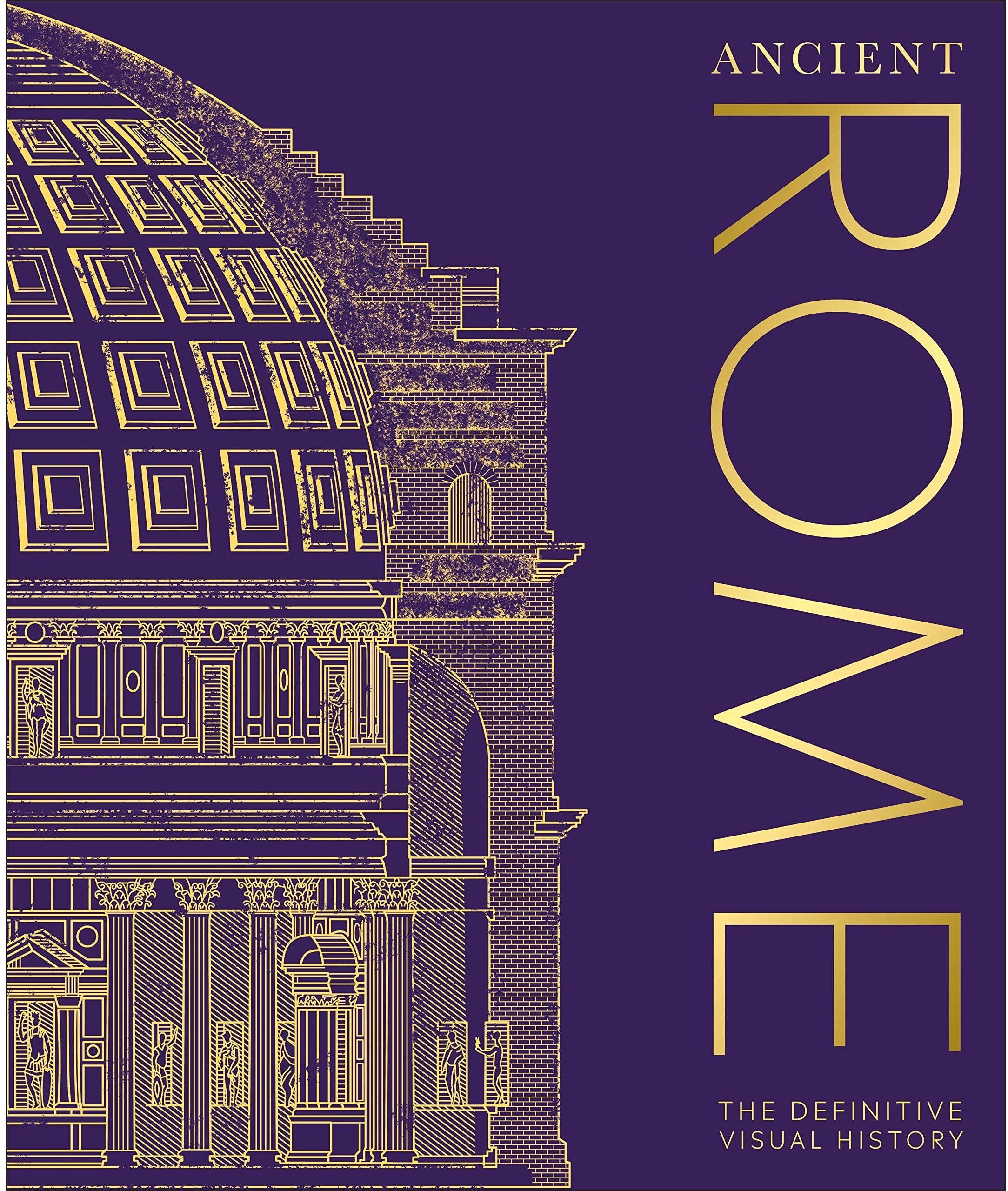
Ancient Rome: The Definitive Visual History (DK Classic History)Immerse yourself in the history of ancient Rome - from its origins as a small settlement on the Palatine Hill to its peak as an empire reigning over 90 million people, and its tumultuous decline. Covering more than 1,000 years of history, and an empire that stretched from Scotland to Syria, Ancient Rome reveals in vivid detail all of the key political, cultural, and military events that shaped the Roman Empire and explores what it was like to live in a society that laid the foundations for many aspects of the modern world. Sumptuous photography and engaging text cover every facet of life in ancient Rome, from art, entertainment, and fashion to engineering, medicine, and war, while detailed maps trace the rise of the mighty Roman Empire. Step back in time in the pages of this history book to discover:- Themed spreads explore developments in areas such as sculpture, religion, warfare, and engineering. - Includes tales of the most dramatic events and battles in Roman history, as well as profiles of influential historical and cultural figures. - An optional 80pp reference section includes sections on rulers, gods and goddesses, and key sites. Featuring Rome's greatest emperors, from Augustus to Constantine, as well as profiles of generals, historians, and influential women, Ancient Rome also delves into the fascinating stories of gladiators, bakers, and enslaved people. The most iconic buildings of Rome are brought to life with specially commissioned CGI recreations, while the stories of ordinary citizens, soldiers, and persecuted groups from across the empire are told with the help of illustrations, artefacts, and eyewitness accounts. Beautifully illustrated and unparalleled in scope, Ancient Rome is the perfect book for anyone who is interested in this defining period of world history.19,95 £*Shipping: 2,99 £Secure redirect to the provider
-
Ancient Greece: The Definitive Visual History (DK Classic History)Embark upon a fascinating journey through ancient Greece – from its rise and fall to its lasting legacy throughout the Western world. Spanning more than 3,000 years, Ancient Greece explores the tumultuous history of this glorious empire in vivid detail – from its Minoan and Mycenaean origins to the apogee of the warring city-states of Athens and Sparta, and from the death of its most charismatic leader, Alexander the Great, to its ultimate defeat by Rome. Sumptuous photography and authoritative, engaging text cover every facet of life in ancient Greece, from art, entertainment, and schools of thought to politics, medicine, and war, while the myths and religious beliefs of the ancient culture are explored and explained in depth. Greece’s military and political power shines through in fascinating maps of its legendary battles. Buried palaces and the Athenian Agora where Plato and Socrates discussed philosophy are brought back to life with stunning CGI artworks. And the stories of everyone from ordinary citizens to lawmakers and the first Olympic athletes are retold through eyewitness accounts and original artefacts.19,99 £*Shipping: 2,99 £Secure redirect to the provider
-
Titan Assassins Creed - The Complete Visual History: The Definitive Visual HistoryThis stunning book explores the rich mythology of Assassins Creed®, featuring the art and history of the series from the first groundbreaking game through the graphic novels to the DLCs. Highlighting the lush and vibrant art that has become a hallmark of the series, this luxury coffee-table book brings the games famous historical locations and figures to life and explores the evolution of each iconic Assassin and Templar.15,99 £*Shipping: 2,99 £Secure redirect to the provider
-
What are judicial officers and judicial assistants?
Judicial officers are individuals who hold positions within the judicial system, such as judges, magistrates, or justices. They are responsible for presiding over court proceedings, making legal decisions, and ensuring that the law is upheld. Judicial assistants, on the other hand, are support staff who work closely with judicial officers to help manage their caseloads, prepare legal documents, and assist with administrative tasks. They play a crucial role in the efficient operation of the court system and provide valuable support to judicial officers in their daily responsibilities. **
-
What is the difference between judicial independence and judicial arbitrariness?
Judicial independence refers to the principle that judges should be free from interference or influence from the other branches of government or external parties, allowing them to make decisions based on the law and facts of the case. On the other hand, judicial arbitrariness occurs when judges make decisions without proper legal reasoning or justification, leading to inconsistent or unpredictable outcomes. Judicial independence is essential for upholding the rule of law and ensuring fair and impartial justice, while judicial arbitrariness undermines the credibility and legitimacy of the judicial system. **
-
What is the difference between a judicial clerk and a judicial specialist?
A judicial clerk is typically a recent law school graduate who assists judges by conducting legal research, drafting opinions, and managing court proceedings. They work closely with judges to help them make informed decisions. On the other hand, a judicial specialist is a court staff member who performs administrative duties such as managing case files, scheduling court hearings, and assisting with court operations. While both roles support the judicial system, clerks focus more on legal analysis and research, while specialists handle administrative tasks. **
-
How difficult is it to become a judicial clerk or judicial officer?
Becoming a judicial clerk or judicial officer is a highly competitive and challenging process. To become a judicial clerk, one typically needs to have a strong academic record, excellent writing and research skills, and a demonstrated interest in the law. Competition for these positions can be fierce, as they are highly sought after for the valuable experience and networking opportunities they provide. Similarly, becoming a judicial officer, such as a judge, requires extensive legal experience, a stellar reputation in the legal community, and often political connections. Overall, both paths require dedication, hard work, and a strong commitment to the legal profession. **
Similar search terms for Judicial
-
Fox Eye Publishing Introduction to History 20 Books Collection Box Set – Educational History Learning CollectionIntroduction to History 20 Books Collection Box Set (The Aztecs, Castles, Celts, Ancient China, Discovering the Past, Egyptians, Ancient Greeks, The Maya, Romans, Vikings, Great Explorers and More) Books in This Collection: Introduction to The Aztecs Introduction to Castles Introduction to Celts Introduction to Ancient China Introduction to Discovering the Past Introduction to Egyptians Introduction to Ancient Greeks Introduction to The Maya Introduction to Romans Introduction to Vikings Introduction to Great Explorers Introduction to Great Inventors Introduction to Great Scientists Introduction to Industrial Revolution Introduction to Kingdoms of the Past Introduction to Mysterious Tombs and Treasures Introduction to Strange Places Introduction to The Victorians Introduction to World War I Introduction to World War II12,99 £*Shipping: 2,99 £Secure redirect to the provider
-
OM Books International Encyclopedia of History 8 Books Collection Set – World War History & Educational Learning CollectionEncyclopedia of History set of 8 books (World War I, World War II, World War II and Indias Freedom Struggle, Mid Nineteenth and Twentieth Centuries, The French Revolution & More): Titles in This Set: Encyclopedia: World War I Encyclopedia: World War II Encyclopedia: World War II and Indias Freedom Struggle Encyclopedia: Mid Nineteenth and Twentieth Centuries Encyclopedia: The French Revolution Encyclopedia: Middle Ages and the Emergence of Modern Europe Encyclopedia: Prominent Civilisations Encyclopedia: Ancient History Description: What made humans the way they are today? How were civilisations formed and erased? What makes up history? Get answers to all the questions and more in this history encyclopedia. Go back in time and learn all about human history, right from the time man began his journey in stone caves. Relive epic battles, learn about the rise and fall of great empires and a lot more.9,90 £*Shipping: 2,99 £Secure redirect to the provider
-
Usborne Beginners History 10 Books Collection Box Set Educational History Books for Children - Stone Age Iron Age - HARDCOVERUsborne Beginners History 10 Books Collection Box Set Stone Age Iron Age Egyptians Ancient Greeks .. Stone Age This simple information book follows the history of Stone Age people and how they lived. Iron Age This simple information book charts the history of Iron Age people and how they lived; including their farming methods; the gods they prayed to and the hill forts where they lived. Egyptians Who were the ancient Egyptians? Why did they build pyramids and how were mummies made? Ancient Greeks Find out about Ancient Greece; what people wore; ate and did for fun and learn about some of the most famous philosophers and mathematicians of the age in this compelling book for beginner readers. Celts Who were the Celts exactly? Did you know they lived on top of hills? Do you have any idea how Celtic warriors made themselves look really scary in battle? Romans Who were the ancient Romans? Where did they go to eat; shop and wash? What did they do for fun? The Maya Who were the Maya? Where did they live? Why did they build tall stone temples? Vikings Find out what it was like to be a Viking; and learn about Viking homes; feasts; boats; gods and much more in this fascinating book. Castles Who lived in a castle; and what was it like? Children can find out the answers to these questions and lots more about the wonderful world of castles in this informative book. Digging Up the Past How do ancient things get buried? Who digs them up? And what do they find? Beginner readers can find answers to these questions and more in this colourful information book. Related Tags: Usborne, Usbourne14,99 £*Shipping: 2,99 £Secure redirect to the provider
-
What is the difference between a judicial officer and a senior judicial officer?
A judicial officer is typically a lower-ranking official within the judicial system, such as a magistrate or a judge at the entry level. On the other hand, a senior judicial officer is a higher-ranking official with more experience and authority, often holding a supervisory role over other judicial officers. Senior judicial officers may have the power to make more significant decisions, handle complex cases, and provide guidance to junior officers. In summary, the main difference lies in the level of experience, authority, and responsibilities within the judicial hierarchy. **
-
What is the difference between a judicial constable and a senior judicial constable?
A judicial constable is an entry-level position within the court system responsible for maintaining order and security in courtrooms, serving legal documents, and providing assistance to judges and other court personnel. On the other hand, a senior judicial constable is a more experienced and higher-ranking position within the court system. They may have additional responsibilities such as supervising and training junior constables, overseeing security operations, and handling more complex legal matters. Additionally, senior judicial constables may have a higher level of authority and decision-making power within the court environment. **
-
What is the difference between a judicial bailiff and a senior judicial bailiff?
A judicial bailiff is a court officer responsible for maintaining order and security in the courtroom, serving legal documents, and executing court orders. A senior judicial bailiff, on the other hand, is a higher-ranking court officer with more experience and responsibilities. They may oversee a team of bailiffs, manage the security and operations of the courtroom, and assist judges with administrative tasks. Additionally, senior judicial bailiffs may have more authority in executing court orders and managing court proceedings. **
-
Is it a judicial prohibition?
Yes, a judicial prohibition refers to a court order that prohibits a certain action or behavior. It is typically issued by a judge as a legal restriction. This type of prohibition is enforceable by law and failure to comply with it can result in legal consequences. **
* All prices are inclusive of VAT and, if applicable, plus shipping costs. The offer information is based on the details provided by the respective shop and is updated through automated processes. Real-time updates do not occur, so deviations can occur in individual cases. ** Note: Parts of this content were created by AI.