Buy sirmione.eu ?
We are moving the project
sirmione.eu .
Are you interested in purchasing the domain
sirmione.eu ?
domain@kv-gmbh.de · 0541-91531010
Buy sirmione.eu ?
Can isotopes occur naturally?
Yes, isotopes can occur naturally. Isotopes are variants of a particular chemical element that have the same number of protons but different numbers of neutrons. Many elements have naturally occurring isotopes, and they can be found in various proportions in nature. For example, carbon has three naturally occurring isotopes: carbon-12, carbon-13, and carbon-14. These isotopes are formed through natural processes such as radioactive decay and nuclear reactions. **
How do neutrons enter isotopes?
Neutrons enter isotopes through a process called neutron capture. Neutron capture occurs when a neutron is absorbed by the nucleus of an atom, resulting in the formation of a new isotope. This process can change the atomic mass of the isotope without affecting its chemical properties. Neutron capture plays a crucial role in nuclear reactions and the formation of heavy elements in stars. **

Similar search terms for Isotopes
Top-Angebote
Products related to Isotopes:
-
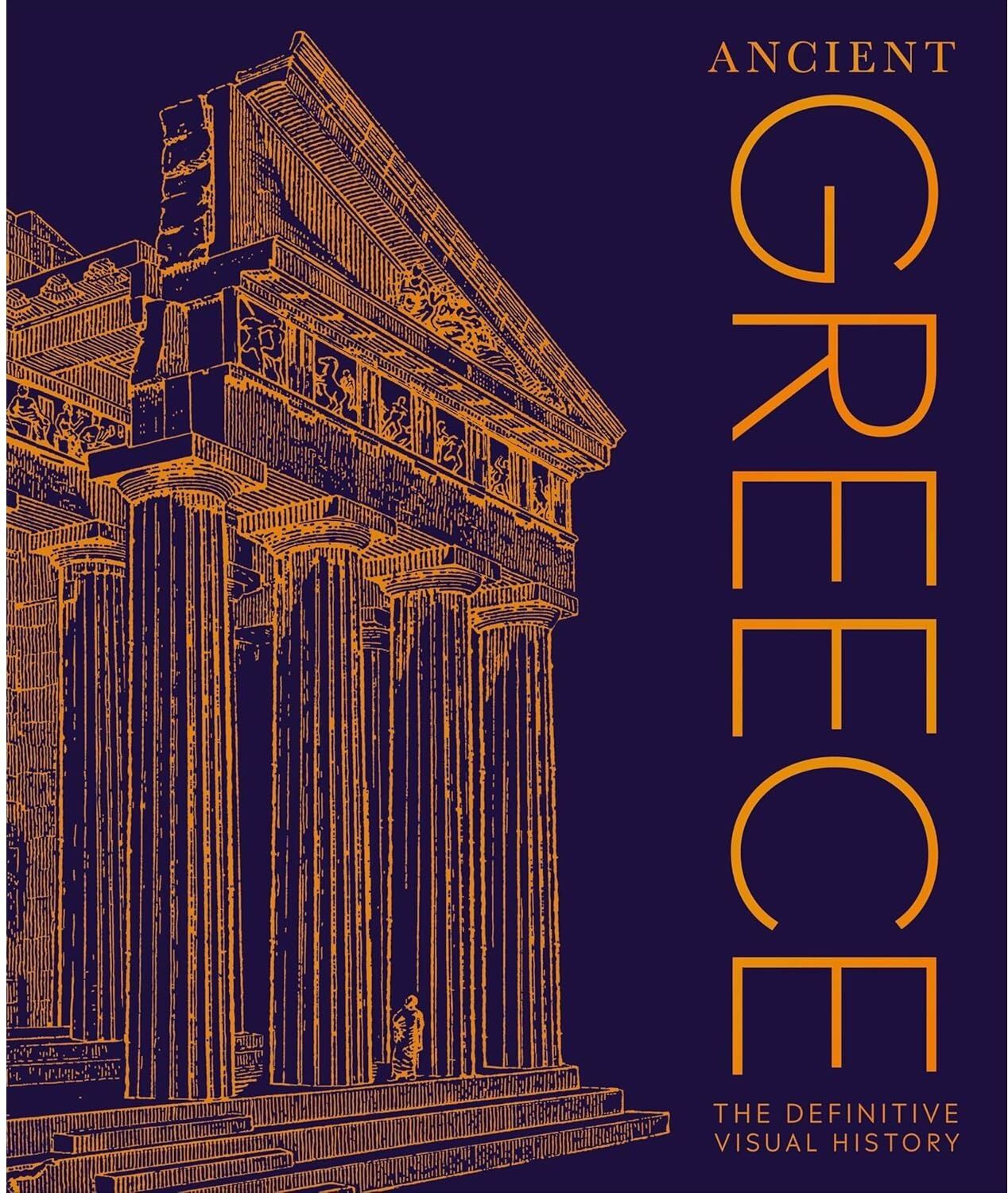
Ancient Greece: The Definitive Visual History (DK Classic History)Embark upon a fascinating journey through ancient Greece – from its rise and fall to its lasting legacy throughout the Western world. Spanning more than 3,000 years, Ancient Greece explores the tumultuous history of this glorious empire in vivid detail – from its Minoan and Mycenaean origins to the apogee of the warring city-states of Athens and Sparta, and from the death of its most charismatic leader, Alexander the Great, to its ultimate defeat by Rome. Sumptuous photography and authoritative, engaging text cover every facet of life in ancient Greece, from art, entertainment, and schools of thought to politics, medicine, and war, while the myths and religious beliefs of the ancient culture are explored and explained in depth. Greece’s military and political power shines through in fascinating maps of its legendary battles. Buried palaces and the Athenian Agora where Plato and Socrates discussed philosophy are brought back to life with stunning CGI artworks. And the stories of everyone from ordinary citizens to lawmakers and the first Olympic athletes are retold through eyewitness accounts and original artefacts.19,99 £*Shipping: 2,99 £Secure redirect to the provider
-
Titan Assassins Creed - The Complete Visual History: The Definitive Visual HistoryThis stunning book explores the rich mythology of Assassins Creed®, featuring the art and history of the series from the first groundbreaking game through the graphic novels to the DLCs. Highlighting the lush and vibrant art that has become a hallmark of the series, this luxury coffee-table book brings the games famous historical locations and figures to life and explores the evolution of each iconic Assassin and Templar.15,99 £*Shipping: 2,99 £Secure redirect to the provider
-
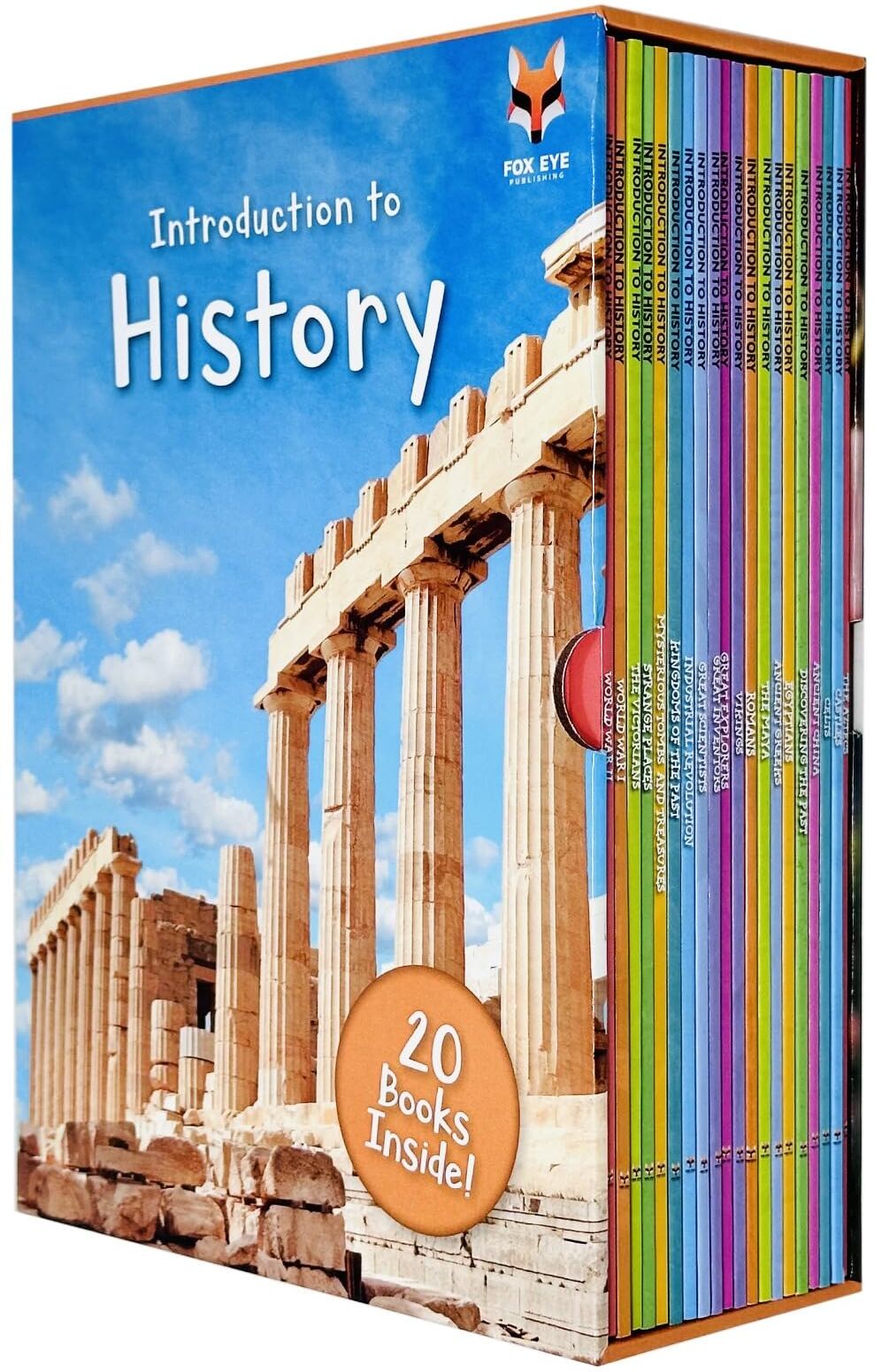
Fox Eye Publishing Introduction to History 20 Books Collection Box Set – Educational History Learning CollectionIntroduction to History 20 Books Collection Box Set (The Aztecs, Castles, Celts, Ancient China, Discovering the Past, Egyptians, Ancient Greeks, The Maya, Romans, Vikings, Great Explorers and More) Books in This Collection: Introduction to The Aztecs Introduction to Castles Introduction to Celts Introduction to Ancient China Introduction to Discovering the Past Introduction to Egyptians Introduction to Ancient Greeks Introduction to The Maya Introduction to Romans Introduction to Vikings Introduction to Great Explorers Introduction to Great Inventors Introduction to Great Scientists Introduction to Industrial Revolution Introduction to Kingdoms of the Past Introduction to Mysterious Tombs and Treasures Introduction to Strange Places Introduction to The Victorians Introduction to World War I Introduction to World War II12,99 £*Shipping: 2,99 £Secure redirect to the provider


-
What are isotopes in chemistry?
Isotopes are atoms of the same element that have the same number of protons but different numbers of neutrons. This means that isotopes have the same atomic number but different atomic masses. For example, carbon-12 and carbon-14 are isotopes of carbon. Isotopes can have different physical properties, such as different atomic masses, but they have similar chemical properties because they have the same number of protons and electrons. **
-
How do radioactive isotopes decay?
Radioactive isotopes decay through the process of emitting radiation in the form of alpha particles, beta particles, or gamma rays. This emission of radiation occurs as the unstable nucleus of the isotope seeks to reach a more stable state. The type of decay that occurs depends on the specific isotope and its atomic structure. Over time, the decay process transforms the original isotope into a different element or a different isotope of the same element. **
-
Are there isotopes, yes or no?
Yes, there are isotopes. Isotopes are atoms of the same element that have the same number of protons but different numbers of neutrons. This results in variations in atomic mass for a given element. **
-
What are the three carbon isotopes?
The three carbon isotopes are carbon-12, carbon-13, and carbon-14. Carbon-12 is the most abundant and stable isotope, making up about 98.9% of all carbon atoms. Carbon-13 is a stable isotope, making up about 1.1% of all carbon atoms. Carbon-14 is a radioactive isotope with a half-life of about 5,730 years and is used in radiocarbon dating to determine the age of organic materials. **

What are the properties of isotopes?
Isotopes are atoms of the same element that have the same number of protons but different numbers of neutrons. This means that isotopes have the same chemical properties, but different physical properties due to their different atomic masses. Isotopes of an element have similar chemical behavior because they have the same number of electrons and therefore the same electron configuration. Isotopes are used in a variety of applications, including carbon dating, medical imaging, and nuclear power. **
Could one describe isotopes like this?
Isotopes are atoms of the same element that have the same number of protons but different numbers of neutrons. This means that isotopes have the same chemical properties but different atomic masses. Therefore, one could describe isotopes as variations of the same element with different atomic masses due to differing numbers of neutrons. **
Top-Angebote
Products related to Isotopes:
-
Laural Home Sunset Lake Woven Throw Blanket"This lake inspired woven throw blanket, ""Sunset Lake,"" is truly one of a kind! Its artistic quality is beautifully detailed and shows a realistic scene of an evening at the lake. This throw will enhance any lake, lodge or cabin decor."97,99 $*Shipping: 0,00 $Secure redirect to the provider
-
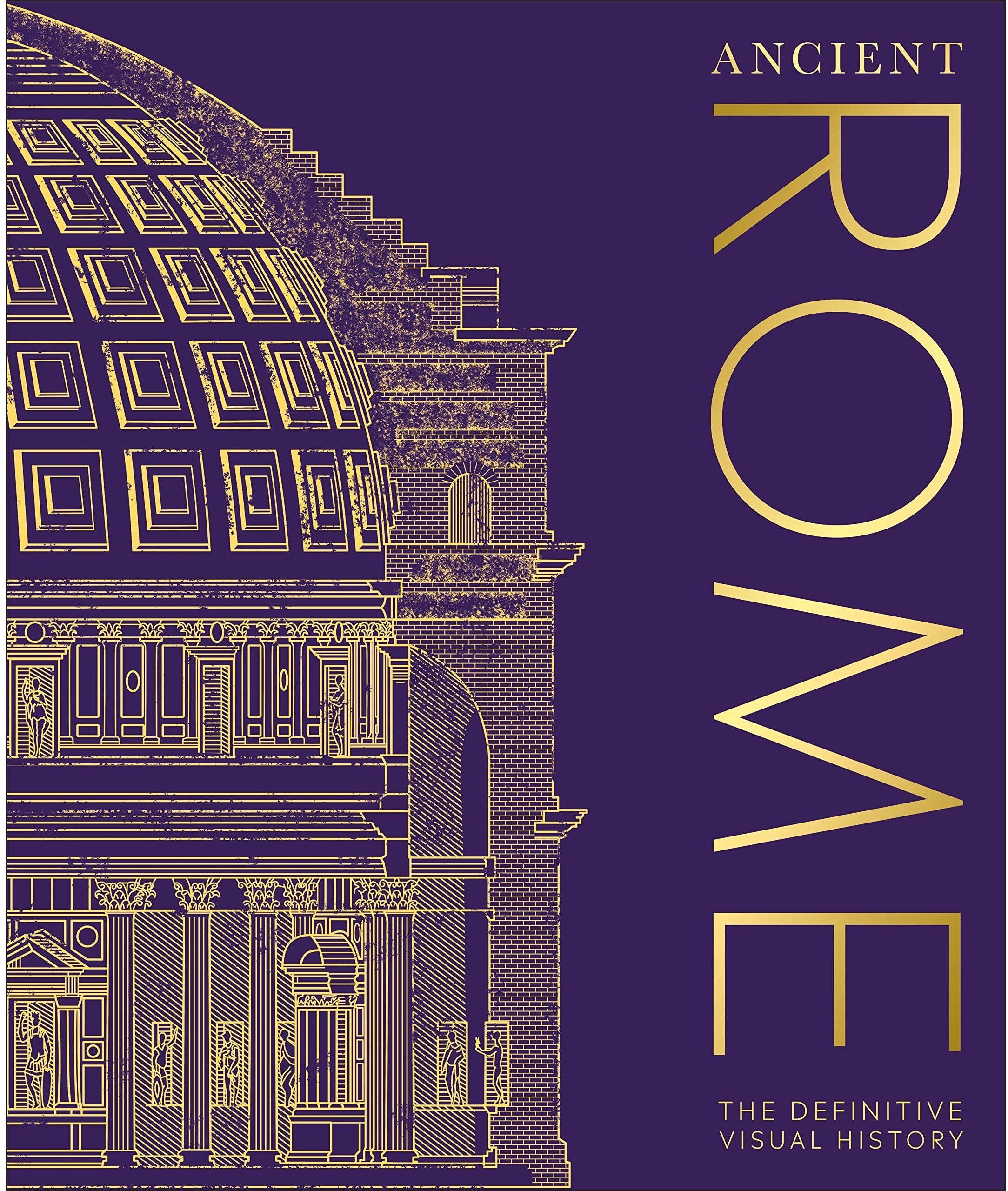
Ancient Rome: The Definitive Visual History (DK Classic History)Immerse yourself in the history of ancient Rome - from its origins as a small settlement on the Palatine Hill to its peak as an empire reigning over 90 million people, and its tumultuous decline. Covering more than 1,000 years of history, and an empire that stretched from Scotland to Syria, Ancient Rome reveals in vivid detail all of the key political, cultural, and military events that shaped the Roman Empire and explores what it was like to live in a society that laid the foundations for many aspects of the modern world. Sumptuous photography and engaging text cover every facet of life in ancient Rome, from art, entertainment, and fashion to engineering, medicine, and war, while detailed maps trace the rise of the mighty Roman Empire. Step back in time in the pages of this history book to discover:- Themed spreads explore developments in areas such as sculpture, religion, warfare, and engineering. - Includes tales of the most dramatic events and battles in Roman history, as well as profiles of influential historical and cultural figures. - An optional 80pp reference section includes sections on rulers, gods and goddesses, and key sites. Featuring Rome's greatest emperors, from Augustus to Constantine, as well as profiles of generals, historians, and influential women, Ancient Rome also delves into the fascinating stories of gladiators, bakers, and enslaved people. The most iconic buildings of Rome are brought to life with specially commissioned CGI recreations, while the stories of ordinary citizens, soldiers, and persecuted groups from across the empire are told with the help of illustrations, artefacts, and eyewitness accounts. Beautifully illustrated and unparalleled in scope, Ancient Rome is the perfect book for anyone who is interested in this defining period of world history.19,95 £*Shipping: 2,99 £Secure redirect to the provider
-
Ancient Greece: The Definitive Visual History (DK Classic History)Embark upon a fascinating journey through ancient Greece – from its rise and fall to its lasting legacy throughout the Western world. Spanning more than 3,000 years, Ancient Greece explores the tumultuous history of this glorious empire in vivid detail – from its Minoan and Mycenaean origins to the apogee of the warring city-states of Athens and Sparta, and from the death of its most charismatic leader, Alexander the Great, to its ultimate defeat by Rome. Sumptuous photography and authoritative, engaging text cover every facet of life in ancient Greece, from art, entertainment, and schools of thought to politics, medicine, and war, while the myths and religious beliefs of the ancient culture are explored and explained in depth. Greece’s military and political power shines through in fascinating maps of its legendary battles. Buried palaces and the Athenian Agora where Plato and Socrates discussed philosophy are brought back to life with stunning CGI artworks. And the stories of everyone from ordinary citizens to lawmakers and the first Olympic athletes are retold through eyewitness accounts and original artefacts.19,99 £*Shipping: 2,99 £Secure redirect to the provider
-
Titan Assassins Creed - The Complete Visual History: The Definitive Visual HistoryThis stunning book explores the rich mythology of Assassins Creed®, featuring the art and history of the series from the first groundbreaking game through the graphic novels to the DLCs. Highlighting the lush and vibrant art that has become a hallmark of the series, this luxury coffee-table book brings the games famous historical locations and figures to life and explores the evolution of each iconic Assassin and Templar.15,99 £*Shipping: 2,99 £Secure redirect to the provider
-
Can isotopes occur naturally?
Yes, isotopes can occur naturally. Isotopes are variants of a particular chemical element that have the same number of protons but different numbers of neutrons. Many elements have naturally occurring isotopes, and they can be found in various proportions in nature. For example, carbon has three naturally occurring isotopes: carbon-12, carbon-13, and carbon-14. These isotopes are formed through natural processes such as radioactive decay and nuclear reactions. **
-
How do neutrons enter isotopes?
Neutrons enter isotopes through a process called neutron capture. Neutron capture occurs when a neutron is absorbed by the nucleus of an atom, resulting in the formation of a new isotope. This process can change the atomic mass of the isotope without affecting its chemical properties. Neutron capture plays a crucial role in nuclear reactions and the formation of heavy elements in stars. **
-
What are isotopes in chemistry?
Isotopes are atoms of the same element that have the same number of protons but different numbers of neutrons. This means that isotopes have the same atomic number but different atomic masses. For example, carbon-12 and carbon-14 are isotopes of carbon. Isotopes can have different physical properties, such as different atomic masses, but they have similar chemical properties because they have the same number of protons and electrons. **
-
How do radioactive isotopes decay?
Radioactive isotopes decay through the process of emitting radiation in the form of alpha particles, beta particles, or gamma rays. This emission of radiation occurs as the unstable nucleus of the isotope seeks to reach a more stable state. The type of decay that occurs depends on the specific isotope and its atomic structure. Over time, the decay process transforms the original isotope into a different element or a different isotope of the same element. **
Similar search terms for Isotopes
-
Fox Eye Publishing Introduction to History 20 Books Collection Box Set – Educational History Learning CollectionIntroduction to History 20 Books Collection Box Set (The Aztecs, Castles, Celts, Ancient China, Discovering the Past, Egyptians, Ancient Greeks, The Maya, Romans, Vikings, Great Explorers and More) Books in This Collection: Introduction to The Aztecs Introduction to Castles Introduction to Celts Introduction to Ancient China Introduction to Discovering the Past Introduction to Egyptians Introduction to Ancient Greeks Introduction to The Maya Introduction to Romans Introduction to Vikings Introduction to Great Explorers Introduction to Great Inventors Introduction to Great Scientists Introduction to Industrial Revolution Introduction to Kingdoms of the Past Introduction to Mysterious Tombs and Treasures Introduction to Strange Places Introduction to The Victorians Introduction to World War I Introduction to World War II12,99 £*Shipping: 2,99 £Secure redirect to the provider
-
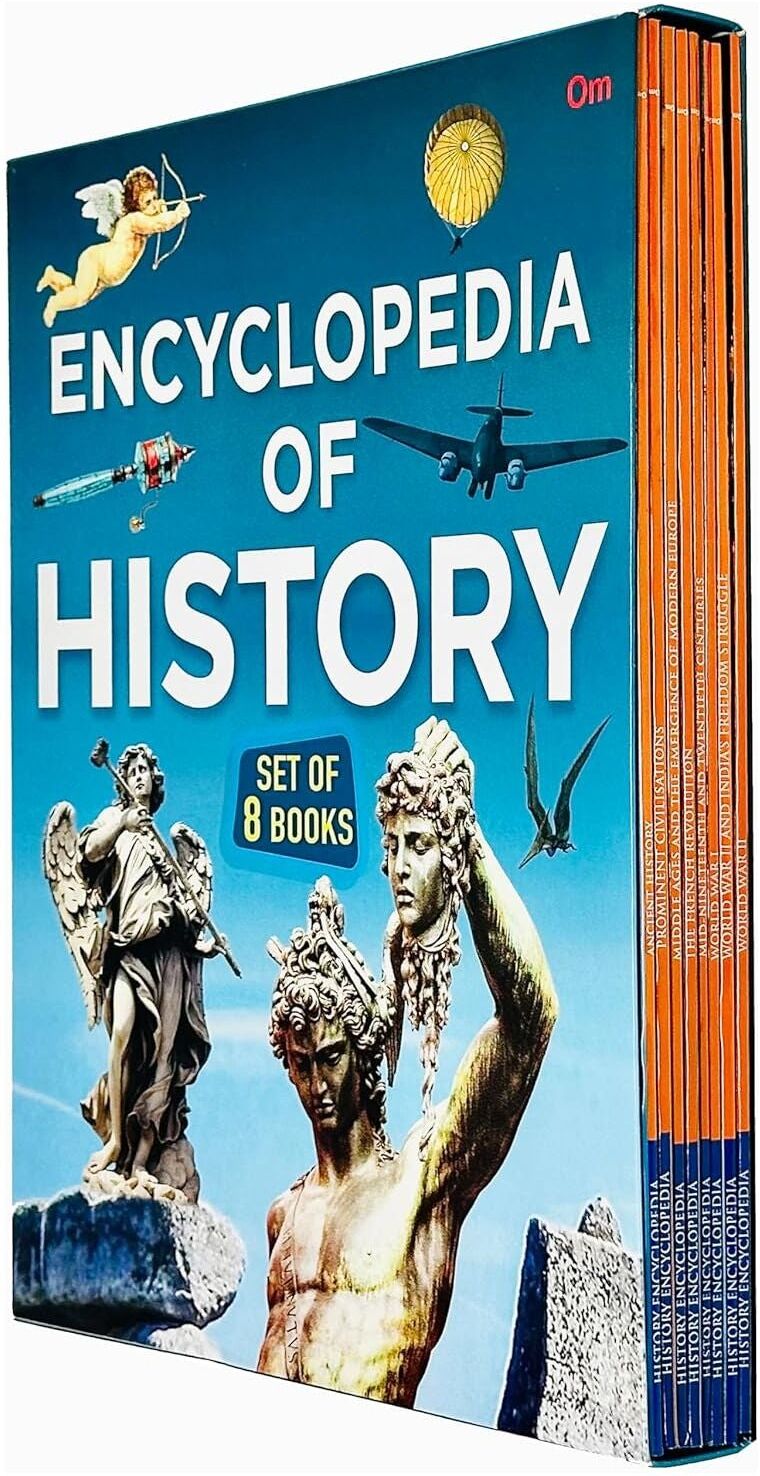
OM Books International Encyclopedia of History 8 Books Collection Set – World War History & Educational Learning CollectionEncyclopedia of History set of 8 books (World War I, World War II, World War II and Indias Freedom Struggle, Mid Nineteenth and Twentieth Centuries, The French Revolution & More): Titles in This Set: Encyclopedia: World War I Encyclopedia: World War II Encyclopedia: World War II and Indias Freedom Struggle Encyclopedia: Mid Nineteenth and Twentieth Centuries Encyclopedia: The French Revolution Encyclopedia: Middle Ages and the Emergence of Modern Europe Encyclopedia: Prominent Civilisations Encyclopedia: Ancient History Description: What made humans the way they are today? How were civilisations formed and erased? What makes up history? Get answers to all the questions and more in this history encyclopedia. Go back in time and learn all about human history, right from the time man began his journey in stone caves. Relive epic battles, learn about the rise and fall of great empires and a lot more.9,90 £*Shipping: 2,99 £Secure redirect to the provider
-
DWINGULER Castle PlaypenLet your children be the King or Queen of their castle! This playpen is perfect for the little ones that have a big imagination. Has a wide but light design to provide your kids with maximum safety and enough room to play.249,00 $*Shipping: 0,00 $Secure redirect to the provider
-
Are there isotopes, yes or no?
Yes, there are isotopes. Isotopes are atoms of the same element that have the same number of protons but different numbers of neutrons. This results in variations in atomic mass for a given element. **
-
What are the three carbon isotopes?
The three carbon isotopes are carbon-12, carbon-13, and carbon-14. Carbon-12 is the most abundant and stable isotope, making up about 98.9% of all carbon atoms. Carbon-13 is a stable isotope, making up about 1.1% of all carbon atoms. Carbon-14 is a radioactive isotope with a half-life of about 5,730 years and is used in radiocarbon dating to determine the age of organic materials. **
-
What are the properties of isotopes?
Isotopes are atoms of the same element that have the same number of protons but different numbers of neutrons. This means that isotopes have the same chemical properties, but different physical properties due to their different atomic masses. Isotopes of an element have similar chemical behavior because they have the same number of electrons and therefore the same electron configuration. Isotopes are used in a variety of applications, including carbon dating, medical imaging, and nuclear power. **
-
Could one describe isotopes like this?
Isotopes are atoms of the same element that have the same number of protons but different numbers of neutrons. This means that isotopes have the same chemical properties but different atomic masses. Therefore, one could describe isotopes as variations of the same element with different atomic masses due to differing numbers of neutrons. **
* All prices are inclusive of VAT and, if applicable, plus shipping costs. The offer information is based on the details provided by the respective shop and is updated through automated processes. Real-time updates do not occur, so deviations can occur in individual cases. ** Note: Parts of this content were created by AI.