Buy sirmione.eu ?
We are moving the project
sirmione.eu .
Are you interested in purchasing the domain
sirmione.eu ?
domain@kv-gmbh.de · 0541-91531010
Buy sirmione.eu ?
Does frictional electricity work with conductors?
Frictional electricity does work with conductors. When two different materials are rubbed together, electrons can be transferred from one material to another, creating a static charge. This static charge can be conducted through a conductor, allowing the flow of electrons. However, the conductivity of the material will affect how easily the charge can flow through the conductor. **
Is a rail a frictional connection?
Yes, a rail can be considered a frictional connection. When a train moves along the rail, the wheels create friction with the surface of the rail, allowing the train to stay on track and move forward. The friction between the wheels and the rail is essential for the train to maintain traction and control its movement. Therefore, the rail and the train's wheels form a frictional connection that enables the train to operate effectively. **
Similar search terms for Frictional
Top-Angebote
Products related to Frictional:
-
Titan Assassins Creed - The Complete Visual History: The Definitive Visual HistoryThis stunning book explores the rich mythology of Assassins Creed®, featuring the art and history of the series from the first groundbreaking game through the graphic novels to the DLCs. Highlighting the lush and vibrant art that has become a hallmark of the series, this luxury coffee-table book brings the games famous historical locations and figures to life and explores the evolution of each iconic Assassin and Templar.15,99 £*Shipping: 2,99 £Secure redirect to the provider
-
Fox Eye Publishing Introduction to History 20 Books Collection Box Set – Educational History Learning CollectionIntroduction to History 20 Books Collection Box Set (The Aztecs, Castles, Celts, Ancient China, Discovering the Past, Egyptians, Ancient Greeks, The Maya, Romans, Vikings, Great Explorers and More) Books in This Collection: Introduction to The Aztecs Introduction to Castles Introduction to Celts Introduction to Ancient China Introduction to Discovering the Past Introduction to Egyptians Introduction to Ancient Greeks Introduction to The Maya Introduction to Romans Introduction to Vikings Introduction to Great Explorers Introduction to Great Inventors Introduction to Great Scientists Introduction to Industrial Revolution Introduction to Kingdoms of the Past Introduction to Mysterious Tombs and Treasures Introduction to Strange Places Introduction to The Victorians Introduction to World War I Introduction to World War II12,99 £*Shipping: 2,99 £Secure redirect to the provider




-
Does frictional electricity also work with conductors?
Yes, frictional electricity can also work with conductors. When two conductive materials are rubbed together, electrons can be transferred from one material to the other, creating a build-up of static electricity. This can occur with both insulators and conductors, as the transfer of electrons is not dependent on the material's ability to conduct electricity, but rather on the friction between the materials. Therefore, frictional electricity can work with both conductors and insulators. **
-
What does positive locking power transmission and frictional power transmission mean, as well as positive locking and frictional locking?
Positive locking power transmission refers to a system where the connection between two components is secure and does not allow for any slippage or movement. This ensures that power is efficiently transferred from one component to another without any loss. Frictional power transmission, on the other hand, relies on the friction between two components to transfer power, which can result in some power loss due to slippage. Positive locking refers to a mechanism that securely holds two components together without any chance of movement or disengagement. This ensures a strong and reliable connection between the components. Frictional locking, on the other hand, relies on the friction between two components to hold them together, which may not be as secure or reliable as positive locking. **
-
In which direction does the frictional force act?
The frictional force acts in the direction opposite to the direction of motion or the impending motion of an object. It always opposes the relative motion between two surfaces in contact. This force is responsible for slowing down or stopping the motion of an object. **
-
How do you calculate frictional force in physics?
Frictional force can be calculated using the equation: f = μN, where f is the frictional force, μ is the coefficient of friction, and N is the normal force. The coefficient of friction is a measure of the interaction between two surfaces, and the normal force is the force exerted perpendicular to the surface. By multiplying the coefficient of friction by the normal force, you can calculate the frictional force acting between two surfaces. **


What does positive locking power transmission and frictional locking power transmission mean, as well as positive locking and frictional locking?
Positive locking power transmission refers to a system where the connection between two components is secure and does not allow for any slipping or movement. This is achieved through mechanisms such as gears or splines that ensure a precise and fixed transfer of power. On the other hand, frictional locking power transmission relies on the friction between two surfaces to transfer power. Positive locking refers to a mechanism that physically prevents movement or disengagement, while frictional locking relies on the resistance generated by friction to maintain the connection between components. **
What would a world without frictional force be like?
A world without frictional force would be drastically different from the one we live in. Without friction, objects would have no resistance when moving, making it difficult to walk, drive, or even hold onto objects. Machines and engines would not function properly, as friction is necessary for them to operate. Additionally, without friction, it would be nearly impossible to stop moving objects, leading to potential safety hazards and chaos. Overall, a world without frictional force would be chaotic and challenging to navigate. **
Top-Angebote
Products related to Frictional:
-
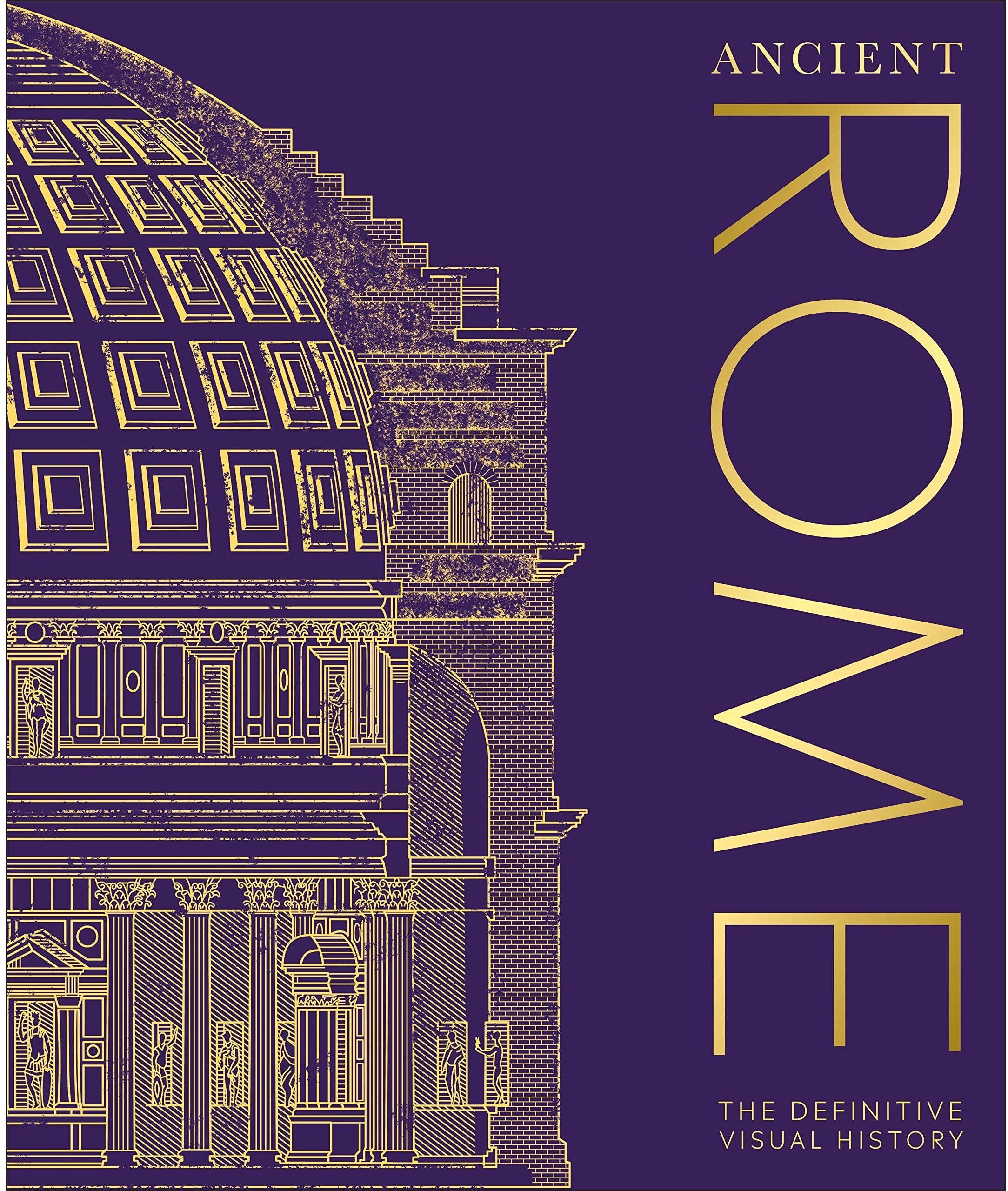
Ancient Rome: The Definitive Visual History (DK Classic History)Immerse yourself in the history of ancient Rome - from its origins as a small settlement on the Palatine Hill to its peak as an empire reigning over 90 million people, and its tumultuous decline. Covering more than 1,000 years of history, and an empire that stretched from Scotland to Syria, Ancient Rome reveals in vivid detail all of the key political, cultural, and military events that shaped the Roman Empire and explores what it was like to live in a society that laid the foundations for many aspects of the modern world. Sumptuous photography and engaging text cover every facet of life in ancient Rome, from art, entertainment, and fashion to engineering, medicine, and war, while detailed maps trace the rise of the mighty Roman Empire. Step back in time in the pages of this history book to discover:- Themed spreads explore developments in areas such as sculpture, religion, warfare, and engineering. - Includes tales of the most dramatic events and battles in Roman history, as well as profiles of influential historical and cultural figures. - An optional 80pp reference section includes sections on rulers, gods and goddesses, and key sites. Featuring Rome's greatest emperors, from Augustus to Constantine, as well as profiles of generals, historians, and influential women, Ancient Rome also delves into the fascinating stories of gladiators, bakers, and enslaved people. The most iconic buildings of Rome are brought to life with specially commissioned CGI recreations, while the stories of ordinary citizens, soldiers, and persecuted groups from across the empire are told with the help of illustrations, artefacts, and eyewitness accounts. Beautifully illustrated and unparalleled in scope, Ancient Rome is the perfect book for anyone who is interested in this defining period of world history.19,95 £*Shipping: 2,99 £Secure redirect to the provider
-
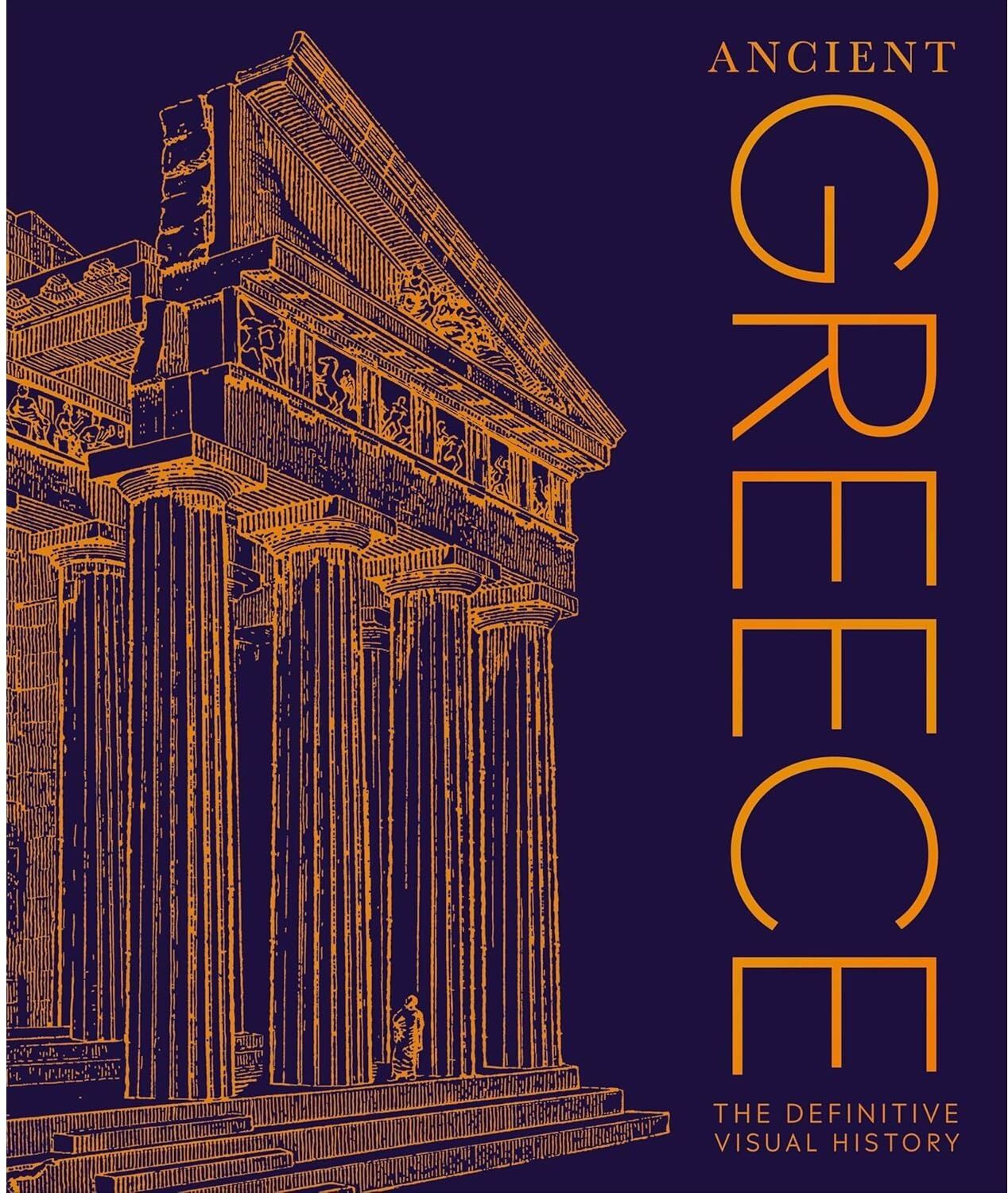
Ancient Greece: The Definitive Visual History (DK Classic History)Embark upon a fascinating journey through ancient Greece – from its rise and fall to its lasting legacy throughout the Western world. Spanning more than 3,000 years, Ancient Greece explores the tumultuous history of this glorious empire in vivid detail – from its Minoan and Mycenaean origins to the apogee of the warring city-states of Athens and Sparta, and from the death of its most charismatic leader, Alexander the Great, to its ultimate defeat by Rome. Sumptuous photography and authoritative, engaging text cover every facet of life in ancient Greece, from art, entertainment, and schools of thought to politics, medicine, and war, while the myths and religious beliefs of the ancient culture are explored and explained in depth. Greece’s military and political power shines through in fascinating maps of its legendary battles. Buried palaces and the Athenian Agora where Plato and Socrates discussed philosophy are brought back to life with stunning CGI artworks. And the stories of everyone from ordinary citizens to lawmakers and the first Olympic athletes are retold through eyewitness accounts and original artefacts.19,99 £*Shipping: 2,99 £Secure redirect to the provider
-
Titan Assassins Creed - The Complete Visual History: The Definitive Visual HistoryThis stunning book explores the rich mythology of Assassins Creed®, featuring the art and history of the series from the first groundbreaking game through the graphic novels to the DLCs. Highlighting the lush and vibrant art that has become a hallmark of the series, this luxury coffee-table book brings the games famous historical locations and figures to life and explores the evolution of each iconic Assassin and Templar.15,99 £*Shipping: 2,99 £Secure redirect to the provider
-
Does frictional electricity work with conductors?
Frictional electricity does work with conductors. When two different materials are rubbed together, electrons can be transferred from one material to another, creating a static charge. This static charge can be conducted through a conductor, allowing the flow of electrons. However, the conductivity of the material will affect how easily the charge can flow through the conductor. **
-
Is a rail a frictional connection?
Yes, a rail can be considered a frictional connection. When a train moves along the rail, the wheels create friction with the surface of the rail, allowing the train to stay on track and move forward. The friction between the wheels and the rail is essential for the train to maintain traction and control its movement. Therefore, the rail and the train's wheels form a frictional connection that enables the train to operate effectively. **
-
Does frictional electricity also work with conductors?
Yes, frictional electricity can also work with conductors. When two conductive materials are rubbed together, electrons can be transferred from one material to the other, creating a build-up of static electricity. This can occur with both insulators and conductors, as the transfer of electrons is not dependent on the material's ability to conduct electricity, but rather on the friction between the materials. Therefore, frictional electricity can work with both conductors and insulators. **
-
What does positive locking power transmission and frictional power transmission mean, as well as positive locking and frictional locking?
Positive locking power transmission refers to a system where the connection between two components is secure and does not allow for any slippage or movement. This ensures that power is efficiently transferred from one component to another without any loss. Frictional power transmission, on the other hand, relies on the friction between two components to transfer power, which can result in some power loss due to slippage. Positive locking refers to a mechanism that securely holds two components together without any chance of movement or disengagement. This ensures a strong and reliable connection between the components. Frictional locking, on the other hand, relies on the friction between two components to hold them together, which may not be as secure or reliable as positive locking. **
Similar search terms for Frictional
-
Fox Eye Publishing Introduction to History 20 Books Collection Box Set – Educational History Learning CollectionIntroduction to History 20 Books Collection Box Set (The Aztecs, Castles, Celts, Ancient China, Discovering the Past, Egyptians, Ancient Greeks, The Maya, Romans, Vikings, Great Explorers and More) Books in This Collection: Introduction to The Aztecs Introduction to Castles Introduction to Celts Introduction to Ancient China Introduction to Discovering the Past Introduction to Egyptians Introduction to Ancient Greeks Introduction to The Maya Introduction to Romans Introduction to Vikings Introduction to Great Explorers Introduction to Great Inventors Introduction to Great Scientists Introduction to Industrial Revolution Introduction to Kingdoms of the Past Introduction to Mysterious Tombs and Treasures Introduction to Strange Places Introduction to The Victorians Introduction to World War I Introduction to World War II12,99 £*Shipping: 2,99 £Secure redirect to the provider
-
OM Books International Encyclopedia of History 8 Books Collection Set – World War History & Educational Learning CollectionEncyclopedia of History set of 8 books (World War I, World War II, World War II and Indias Freedom Struggle, Mid Nineteenth and Twentieth Centuries, The French Revolution & More): Titles in This Set: Encyclopedia: World War I Encyclopedia: World War II Encyclopedia: World War II and Indias Freedom Struggle Encyclopedia: Mid Nineteenth and Twentieth Centuries Encyclopedia: The French Revolution Encyclopedia: Middle Ages and the Emergence of Modern Europe Encyclopedia: Prominent Civilisations Encyclopedia: Ancient History Description: What made humans the way they are today? How were civilisations formed and erased? What makes up history? Get answers to all the questions and more in this history encyclopedia. Go back in time and learn all about human history, right from the time man began his journey in stone caves. Relive epic battles, learn about the rise and fall of great empires and a lot more.9,90 £*Shipping: 2,99 £Secure redirect to the provider
-
Usborne Beginners History 10 Books Collection Box Set Educational History Books for Children - Stone Age Iron Age - HARDCOVERUsborne Beginners History 10 Books Collection Box Set Stone Age Iron Age Egyptians Ancient Greeks .. Stone Age This simple information book follows the history of Stone Age people and how they lived. Iron Age This simple information book charts the history of Iron Age people and how they lived; including their farming methods; the gods they prayed to and the hill forts where they lived. Egyptians Who were the ancient Egyptians? Why did they build pyramids and how were mummies made? Ancient Greeks Find out about Ancient Greece; what people wore; ate and did for fun and learn about some of the most famous philosophers and mathematicians of the age in this compelling book for beginner readers. Celts Who were the Celts exactly? Did you know they lived on top of hills? Do you have any idea how Celtic warriors made themselves look really scary in battle? Romans Who were the ancient Romans? Where did they go to eat; shop and wash? What did they do for fun? The Maya Who were the Maya? Where did they live? Why did they build tall stone temples? Vikings Find out what it was like to be a Viking; and learn about Viking homes; feasts; boats; gods and much more in this fascinating book. Castles Who lived in a castle; and what was it like? Children can find out the answers to these questions and lots more about the wonderful world of castles in this informative book. Digging Up the Past How do ancient things get buried? Who digs them up? And what do they find? Beginner readers can find answers to these questions and more in this colourful information book. Related Tags: Usborne, Usbourne14,99 £*Shipping: 2,99 £Secure redirect to the provider
-
In which direction does the frictional force act?
The frictional force acts in the direction opposite to the direction of motion or the impending motion of an object. It always opposes the relative motion between two surfaces in contact. This force is responsible for slowing down or stopping the motion of an object. **
-
How do you calculate frictional force in physics?
Frictional force can be calculated using the equation: f = μN, where f is the frictional force, μ is the coefficient of friction, and N is the normal force. The coefficient of friction is a measure of the interaction between two surfaces, and the normal force is the force exerted perpendicular to the surface. By multiplying the coefficient of friction by the normal force, you can calculate the frictional force acting between two surfaces. **
-
What does positive locking power transmission and frictional locking power transmission mean, as well as positive locking and frictional locking?
Positive locking power transmission refers to a system where the connection between two components is secure and does not allow for any slipping or movement. This is achieved through mechanisms such as gears or splines that ensure a precise and fixed transfer of power. On the other hand, frictional locking power transmission relies on the friction between two surfaces to transfer power. Positive locking refers to a mechanism that physically prevents movement or disengagement, while frictional locking relies on the resistance generated by friction to maintain the connection between components. **
-
What would a world without frictional force be like?
A world without frictional force would be drastically different from the one we live in. Without friction, objects would have no resistance when moving, making it difficult to walk, drive, or even hold onto objects. Machines and engines would not function properly, as friction is necessary for them to operate. Additionally, without friction, it would be nearly impossible to stop moving objects, leading to potential safety hazards and chaos. Overall, a world without frictional force would be chaotic and challenging to navigate. **
* All prices are inclusive of VAT and, if applicable, plus shipping costs. The offer information is based on the details provided by the respective shop and is updated through automated processes. Real-time updates do not occur, so deviations can occur in individual cases. ** Note: Parts of this content were created by AI.