Buy sirmione.eu ?
We are moving the project
sirmione.eu .
Are you interested in purchasing the domain
sirmione.eu ?
domain@kv-gmbh.de · 0541-91531010
Buy sirmione.eu ?
Is Napoleon Bonaparte megalomaniac?
Napoleon Bonaparte is often described as megalomaniacal due to his ambitious and power-hungry nature. He sought to expand his empire and conquer other nations, demonstrating a desire for control and dominance. His grandiose vision of himself as a ruler and his willingness to engage in military conquests to achieve his goals are often cited as evidence of his megalomania. However, some historians argue that his actions were driven by a desire to bring stability and order to Europe, rather than purely by personal ambition. Ultimately, whether or not Napoleon was megalomaniacal is a matter of interpretation and debate among historians. **
Is there a parallel in history between Napoleon Bonaparte and Hitler?
While both Napoleon Bonaparte and Adolf Hitler were powerful leaders who sought to expand their empires and exert control over Europe, there are significant differences between the two figures. Napoleon rose to power through military conquest and political maneuvering, while Hitler's rise to power was fueled by extreme nationalism and the exploitation of social and economic grievances. Additionally, Napoleon's ambitions were primarily focused on territorial expansion and establishing a French empire, whereas Hitler's goals included the extermination of entire populations and the establishment of a racially pure society. Overall, while there are some parallels in their leadership styles and ambitions, the contexts in which they operated and the extent of their atrocities make direct comparisons between Napoleon and Hitler problematic. **
Similar search terms for Bonaparte
Top-Angebote
Products related to Bonaparte:
-
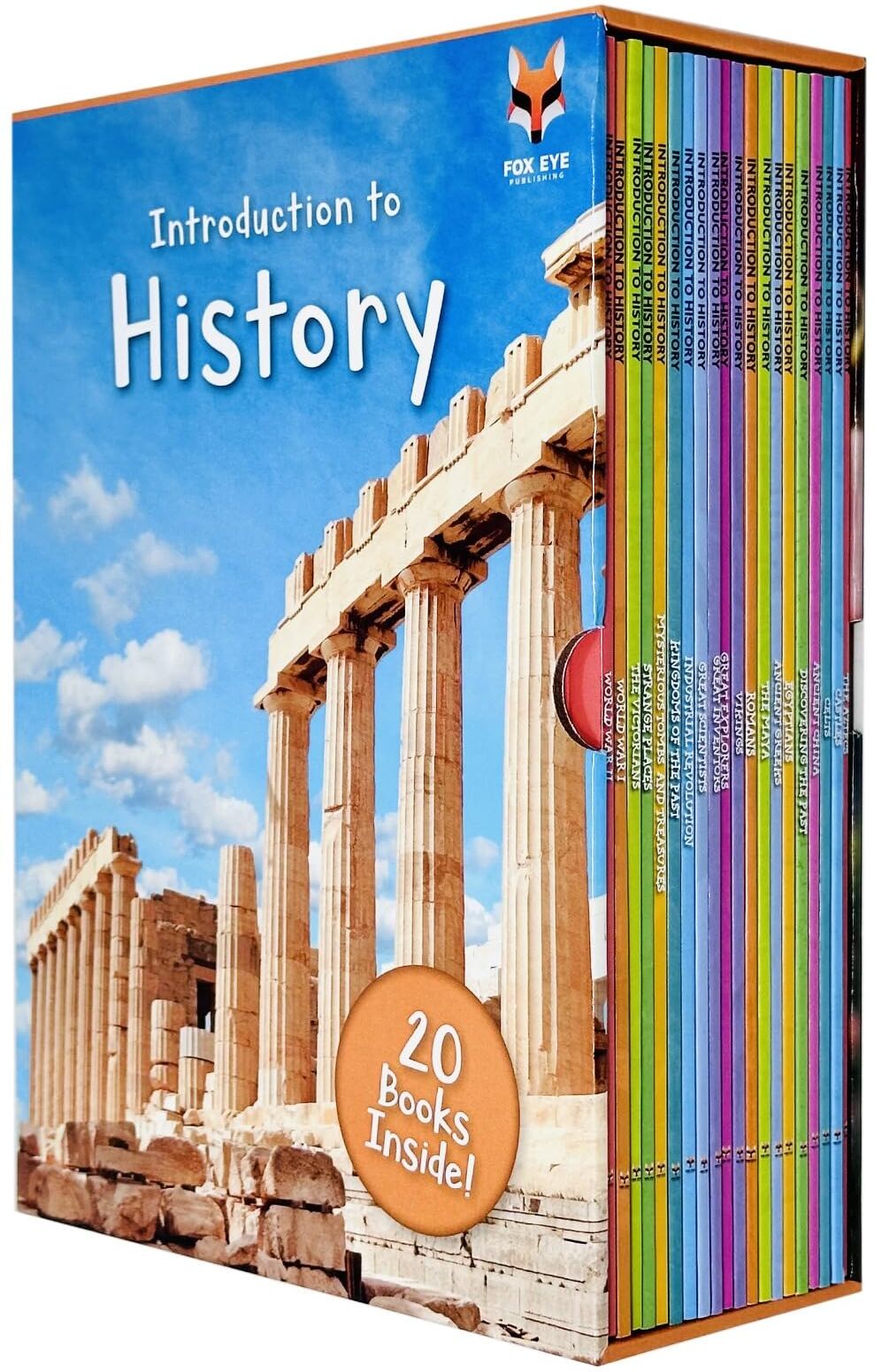
Fox Eye Publishing Introduction to History 20 Books Collection Box Set – Educational History Learning CollectionIntroduction to History 20 Books Collection Box Set (The Aztecs, Castles, Celts, Ancient China, Discovering the Past, Egyptians, Ancient Greeks, The Maya, Romans, Vikings, Great Explorers and More) Books in This Collection: Introduction to The Aztecs Introduction to Castles Introduction to Celts Introduction to Ancient China Introduction to Discovering the Past Introduction to Egyptians Introduction to Ancient Greeks Introduction to The Maya Introduction to Romans Introduction to Vikings Introduction to Great Explorers Introduction to Great Inventors Introduction to Great Scientists Introduction to Industrial Revolution Introduction to Kingdoms of the Past Introduction to Mysterious Tombs and Treasures Introduction to Strange Places Introduction to The Victorians Introduction to World War I Introduction to World War II12,99 £*Shipping: 2,99 £Secure redirect to the provider
-
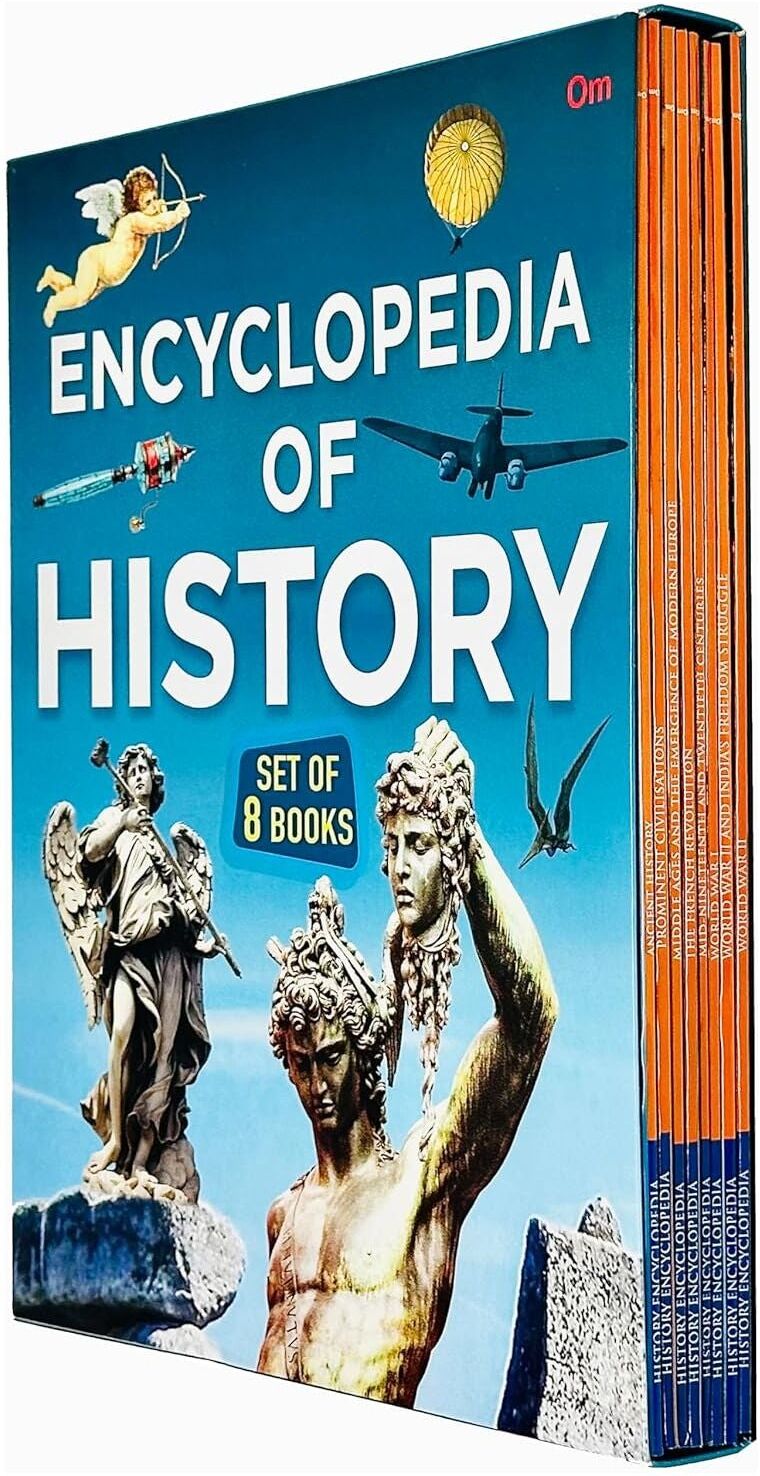
OM Books International Encyclopedia of History 8 Books Collection Set – World War History & Educational Learning CollectionEncyclopedia of History set of 8 books (World War I, World War II, World War II and Indias Freedom Struggle, Mid Nineteenth and Twentieth Centuries, The French Revolution & More): Titles in This Set: Encyclopedia: World War I Encyclopedia: World War II Encyclopedia: World War II and Indias Freedom Struggle Encyclopedia: Mid Nineteenth and Twentieth Centuries Encyclopedia: The French Revolution Encyclopedia: Middle Ages and the Emergence of Modern Europe Encyclopedia: Prominent Civilisations Encyclopedia: Ancient History Description: What made humans the way they are today? How were civilisations formed and erased? What makes up history? Get answers to all the questions and more in this history encyclopedia. Go back in time and learn all about human history, right from the time man began his journey in stone caves. Relive epic battles, learn about the rise and fall of great empires and a lot more.9,90 £*Shipping: 2,99 £Secure redirect to the provider
-
Is Napoleon Bonaparte popular in France?
Napoleon Bonaparte remains a controversial figure in France. While some view him as a great military leader and reformer who brought stability and modernization to the country, others see him as a dictator who imposed his rule through authoritarian means. His legacy is still debated, and his popularity varies among different segments of the population. Overall, Napoleon's impact on France is complex and continues to be a topic of discussion and debate. **
-
Where did Napoleon Bonaparte have his residence?
Napoleon Bonaparte had several residences throughout his life. One of his most famous residences was the Château de Malmaison, located in the western suburbs of Paris. This was the residence he shared with his first wife, Josephine. Additionally, he also had a residence at the Tuileries Palace in Paris, which served as the official residence of the French monarchs. Later in his life, he was exiled to the island of Saint Helena, where he lived in Longwood House until his death in 1821. **
-
What were the problems of Napoleon Bonaparte?
Napoleon Bonaparte faced several problems during his rule, including military setbacks, economic challenges, and political opposition. His ambitious military campaigns ultimately led to overextension and defeat, such as the disastrous invasion of Russia in 1812. Additionally, his attempts to establish a continental blockade against Britain and his imposition of high tariffs on European trade caused economic hardship for many of his subjects. Furthermore, his autocratic rule and suppression of political dissent led to opposition from various factions within France and across Europe, ultimately contributing to his downfall. **
-
Is it bad to like Napoleon Bonaparte?
It is not inherently bad to have an interest in Napoleon Bonaparte as a historical figure. He was a complex and influential figure in European history, and many people find his life and impact on the world to be fascinating. However, it is important to approach the study of Napoleon with a critical and balanced perspective, acknowledging both his accomplishments and his controversial actions. It is also important to be mindful of the perspectives of those who may have been negatively affected by his actions, such as the people he conquered or oppressed. Ultimately, it is possible to have an interest in Napoleon while also recognizing the complexities of his legacy. **


Was Napoleon Bonaparte really smaller than other people?
Napoleon Bonaparte was actually of average height for his time, standing at around 5 feet 6 inches, which was slightly taller than the average height for men in France during the late 18th and early 19th centuries. The misconception that he was significantly shorter than average likely stems from British propaganda and caricatures that sought to diminish his stature and power. In reality, Napoleon's height was not unusual for his era. **
What was the character of Napoleon Bonaparte like?
Napoleon Bonaparte was known for his ambition, intelligence, and charisma. He was a skilled military leader who rose to power during the French Revolution and eventually became Emperor of France. Napoleon was also known for his authoritarian rule and desire for power, which led to his conquest of much of Europe. Despite his accomplishments, he was also seen as ruthless and power-hungry, with a tendency to prioritize his own ambitions over the well-being of others. **
Top-Angebote
Products related to Bonaparte:
-
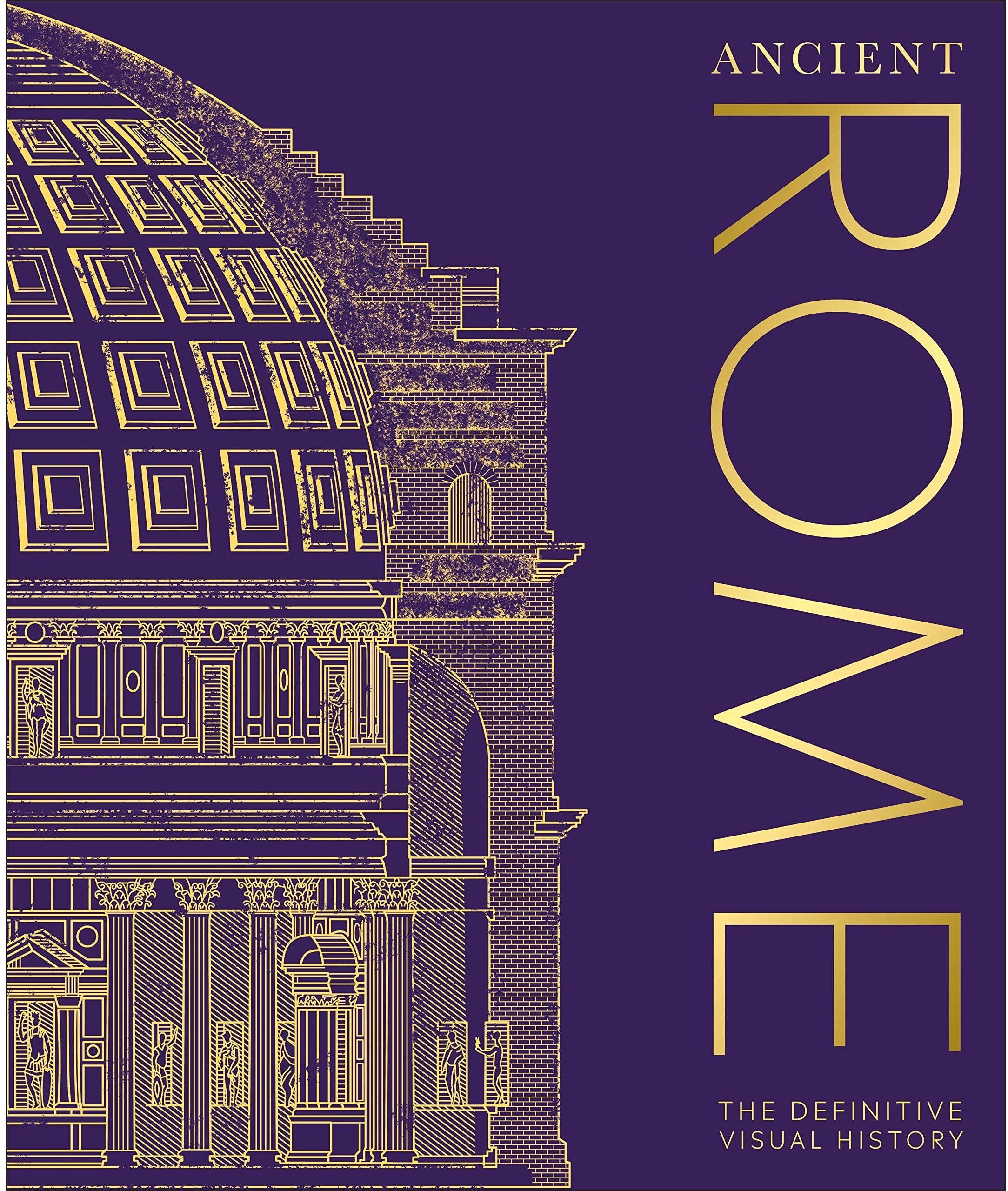
Ancient Rome: The Definitive Visual History (DK Classic History)Immerse yourself in the history of ancient Rome - from its origins as a small settlement on the Palatine Hill to its peak as an empire reigning over 90 million people, and its tumultuous decline. Covering more than 1,000 years of history, and an empire that stretched from Scotland to Syria, Ancient Rome reveals in vivid detail all of the key political, cultural, and military events that shaped the Roman Empire and explores what it was like to live in a society that laid the foundations for many aspects of the modern world. Sumptuous photography and engaging text cover every facet of life in ancient Rome, from art, entertainment, and fashion to engineering, medicine, and war, while detailed maps trace the rise of the mighty Roman Empire. Step back in time in the pages of this history book to discover:- Themed spreads explore developments in areas such as sculpture, religion, warfare, and engineering. - Includes tales of the most dramatic events and battles in Roman history, as well as profiles of influential historical and cultural figures. - An optional 80pp reference section includes sections on rulers, gods and goddesses, and key sites. Featuring Rome's greatest emperors, from Augustus to Constantine, as well as profiles of generals, historians, and influential women, Ancient Rome also delves into the fascinating stories of gladiators, bakers, and enslaved people. The most iconic buildings of Rome are brought to life with specially commissioned CGI recreations, while the stories of ordinary citizens, soldiers, and persecuted groups from across the empire are told with the help of illustrations, artefacts, and eyewitness accounts. Beautifully illustrated and unparalleled in scope, Ancient Rome is the perfect book for anyone who is interested in this defining period of world history.19,95 £*Shipping: 2,99 £Secure redirect to the provider
-
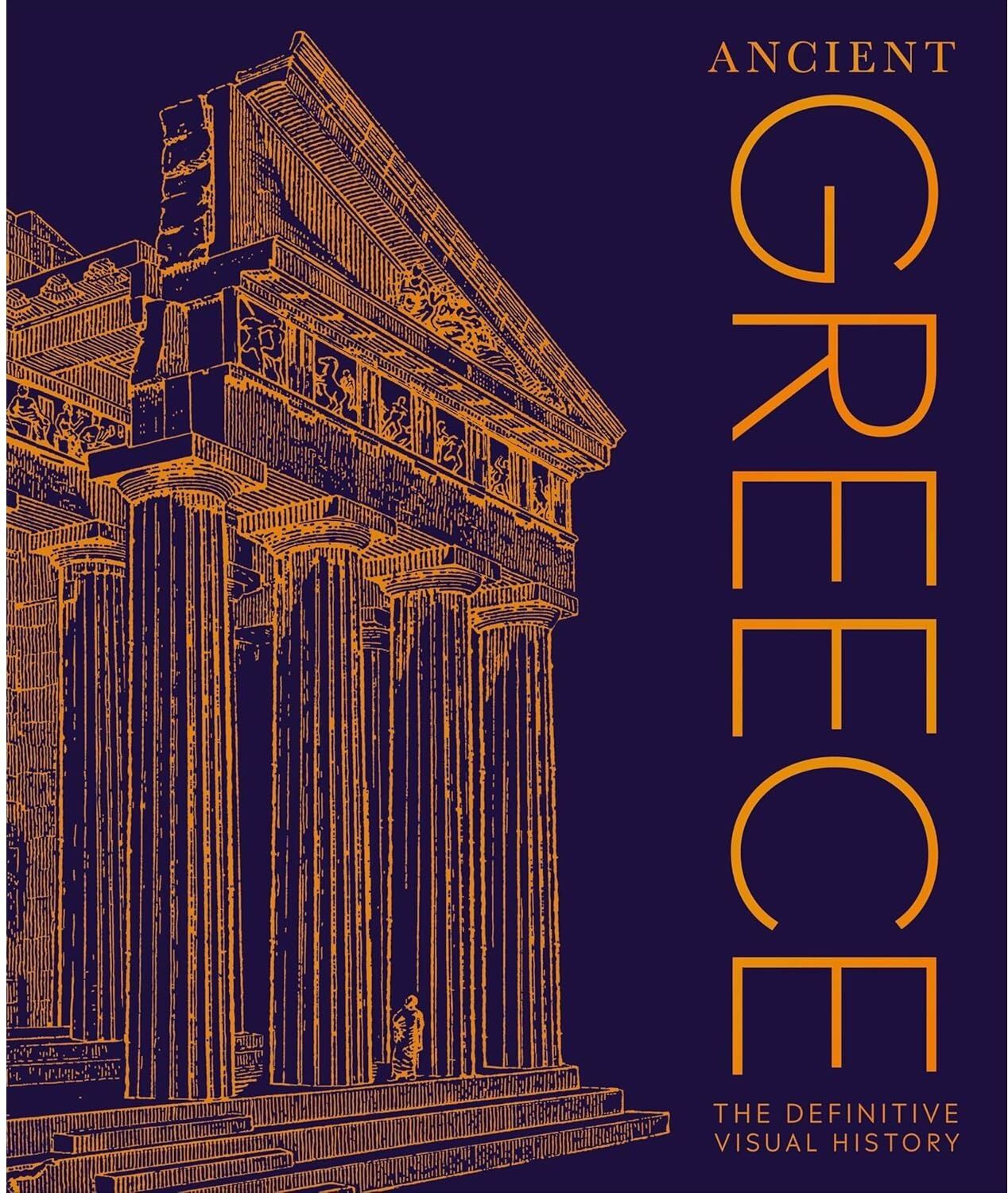
Ancient Greece: The Definitive Visual History (DK Classic History)Embark upon a fascinating journey through ancient Greece – from its rise and fall to its lasting legacy throughout the Western world. Spanning more than 3,000 years, Ancient Greece explores the tumultuous history of this glorious empire in vivid detail – from its Minoan and Mycenaean origins to the apogee of the warring city-states of Athens and Sparta, and from the death of its most charismatic leader, Alexander the Great, to its ultimate defeat by Rome. Sumptuous photography and authoritative, engaging text cover every facet of life in ancient Greece, from art, entertainment, and schools of thought to politics, medicine, and war, while the myths and religious beliefs of the ancient culture are explored and explained in depth. Greece’s military and political power shines through in fascinating maps of its legendary battles. Buried palaces and the Athenian Agora where Plato and Socrates discussed philosophy are brought back to life with stunning CGI artworks. And the stories of everyone from ordinary citizens to lawmakers and the first Olympic athletes are retold through eyewitness accounts and original artefacts.19,99 £*Shipping: 2,99 £Secure redirect to the provider
-
Is Napoleon Bonaparte megalomaniac?
Napoleon Bonaparte is often described as megalomaniacal due to his ambitious and power-hungry nature. He sought to expand his empire and conquer other nations, demonstrating a desire for control and dominance. His grandiose vision of himself as a ruler and his willingness to engage in military conquests to achieve his goals are often cited as evidence of his megalomania. However, some historians argue that his actions were driven by a desire to bring stability and order to Europe, rather than purely by personal ambition. Ultimately, whether or not Napoleon was megalomaniacal is a matter of interpretation and debate among historians. **
-
Is there a parallel in history between Napoleon Bonaparte and Hitler?
While both Napoleon Bonaparte and Adolf Hitler were powerful leaders who sought to expand their empires and exert control over Europe, there are significant differences between the two figures. Napoleon rose to power through military conquest and political maneuvering, while Hitler's rise to power was fueled by extreme nationalism and the exploitation of social and economic grievances. Additionally, Napoleon's ambitions were primarily focused on territorial expansion and establishing a French empire, whereas Hitler's goals included the extermination of entire populations and the establishment of a racially pure society. Overall, while there are some parallels in their leadership styles and ambitions, the contexts in which they operated and the extent of their atrocities make direct comparisons between Napoleon and Hitler problematic. **
-
Is Napoleon Bonaparte popular in France?
Napoleon Bonaparte remains a controversial figure in France. While some view him as a great military leader and reformer who brought stability and modernization to the country, others see him as a dictator who imposed his rule through authoritarian means. His legacy is still debated, and his popularity varies among different segments of the population. Overall, Napoleon's impact on France is complex and continues to be a topic of discussion and debate. **
-
Where did Napoleon Bonaparte have his residence?
Napoleon Bonaparte had several residences throughout his life. One of his most famous residences was the Château de Malmaison, located in the western suburbs of Paris. This was the residence he shared with his first wife, Josephine. Additionally, he also had a residence at the Tuileries Palace in Paris, which served as the official residence of the French monarchs. Later in his life, he was exiled to the island of Saint Helena, where he lived in Longwood House until his death in 1821. **
Similar search terms for Bonaparte
-
Fox Eye Publishing Introduction to History 20 Books Collection Box Set – Educational History Learning CollectionIntroduction to History 20 Books Collection Box Set (The Aztecs, Castles, Celts, Ancient China, Discovering the Past, Egyptians, Ancient Greeks, The Maya, Romans, Vikings, Great Explorers and More) Books in This Collection: Introduction to The Aztecs Introduction to Castles Introduction to Celts Introduction to Ancient China Introduction to Discovering the Past Introduction to Egyptians Introduction to Ancient Greeks Introduction to The Maya Introduction to Romans Introduction to Vikings Introduction to Great Explorers Introduction to Great Inventors Introduction to Great Scientists Introduction to Industrial Revolution Introduction to Kingdoms of the Past Introduction to Mysterious Tombs and Treasures Introduction to Strange Places Introduction to The Victorians Introduction to World War I Introduction to World War II12,99 £*Shipping: 2,99 £Secure redirect to the provider
-
OM Books International Encyclopedia of History 8 Books Collection Set – World War History & Educational Learning CollectionEncyclopedia of History set of 8 books (World War I, World War II, World War II and Indias Freedom Struggle, Mid Nineteenth and Twentieth Centuries, The French Revolution & More): Titles in This Set: Encyclopedia: World War I Encyclopedia: World War II Encyclopedia: World War II and Indias Freedom Struggle Encyclopedia: Mid Nineteenth and Twentieth Centuries Encyclopedia: The French Revolution Encyclopedia: Middle Ages and the Emergence of Modern Europe Encyclopedia: Prominent Civilisations Encyclopedia: Ancient History Description: What made humans the way they are today? How were civilisations formed and erased? What makes up history? Get answers to all the questions and more in this history encyclopedia. Go back in time and learn all about human history, right from the time man began his journey in stone caves. Relive epic battles, learn about the rise and fall of great empires and a lot more.9,90 £*Shipping: 2,99 £Secure redirect to the provider
-
DWINGULER Castle PlaypenLet your children be the King or Queen of their castle! This playpen is perfect for the little ones that have a big imagination. Has a wide but light design to provide your kids with maximum safety and enough room to play.249,00 $*Shipping: 0,00 $Secure redirect to the provider
-
Usborne Beginners History 10 Books Collection Box Set Educational History Books for Children - Stone Age Iron Age - HARDCOVERUsborne Beginners History 10 Books Collection Box Set Stone Age Iron Age Egyptians Ancient Greeks .. Stone Age This simple information book follows the history of Stone Age people and how they lived. Iron Age This simple information book charts the history of Iron Age people and how they lived; including their farming methods; the gods they prayed to and the hill forts where they lived. Egyptians Who were the ancient Egyptians? Why did they build pyramids and how were mummies made? Ancient Greeks Find out about Ancient Greece; what people wore; ate and did for fun and learn about some of the most famous philosophers and mathematicians of the age in this compelling book for beginner readers. Celts Who were the Celts exactly? Did you know they lived on top of hills? Do you have any idea how Celtic warriors made themselves look really scary in battle? Romans Who were the ancient Romans? Where did they go to eat; shop and wash? What did they do for fun? The Maya Who were the Maya? Where did they live? Why did they build tall stone temples? Vikings Find out what it was like to be a Viking; and learn about Viking homes; feasts; boats; gods and much more in this fascinating book. Castles Who lived in a castle; and what was it like? Children can find out the answers to these questions and lots more about the wonderful world of castles in this informative book. Digging Up the Past How do ancient things get buried? Who digs them up? And what do they find? Beginner readers can find answers to these questions and more in this colourful information book. Related Tags: Usborne, Usbourne14,99 £*Shipping: 2,99 £Secure redirect to the provider
-
What were the problems of Napoleon Bonaparte?
Napoleon Bonaparte faced several problems during his rule, including military setbacks, economic challenges, and political opposition. His ambitious military campaigns ultimately led to overextension and defeat, such as the disastrous invasion of Russia in 1812. Additionally, his attempts to establish a continental blockade against Britain and his imposition of high tariffs on European trade caused economic hardship for many of his subjects. Furthermore, his autocratic rule and suppression of political dissent led to opposition from various factions within France and across Europe, ultimately contributing to his downfall. **
-
Is it bad to like Napoleon Bonaparte?
It is not inherently bad to have an interest in Napoleon Bonaparte as a historical figure. He was a complex and influential figure in European history, and many people find his life and impact on the world to be fascinating. However, it is important to approach the study of Napoleon with a critical and balanced perspective, acknowledging both his accomplishments and his controversial actions. It is also important to be mindful of the perspectives of those who may have been negatively affected by his actions, such as the people he conquered or oppressed. Ultimately, it is possible to have an interest in Napoleon while also recognizing the complexities of his legacy. **
-
Was Napoleon Bonaparte really smaller than other people?
Napoleon Bonaparte was actually of average height for his time, standing at around 5 feet 6 inches, which was slightly taller than the average height for men in France during the late 18th and early 19th centuries. The misconception that he was significantly shorter than average likely stems from British propaganda and caricatures that sought to diminish his stature and power. In reality, Napoleon's height was not unusual for his era. **
-
What was the character of Napoleon Bonaparte like?
Napoleon Bonaparte was known for his ambition, intelligence, and charisma. He was a skilled military leader who rose to power during the French Revolution and eventually became Emperor of France. Napoleon was also known for his authoritarian rule and desire for power, which led to his conquest of much of Europe. Despite his accomplishments, he was also seen as ruthless and power-hungry, with a tendency to prioritize his own ambitions over the well-being of others. **
* All prices are inclusive of VAT and, if applicable, plus shipping costs. The offer information is based on the details provided by the respective shop and is updated through automated processes. Real-time updates do not occur, so deviations can occur in individual cases. ** Note: Parts of this content were created by AI.