Buy sirmione.eu ?
We are moving the project
sirmione.eu .
Are you interested in purchasing the domain
sirmione.eu ?
domain@kv-gmbh.de · 0541-91531010
Buy sirmione.eu ?
'Aerobic or anaerobic?'
Aerobic exercise refers to activities that require oxygen to meet the body's energy demands, such as running, swimming, or cycling. These activities help improve cardiovascular health, endurance, and overall fitness. Anaerobic exercise, on the other hand, involves short bursts of intense activity that do not rely on oxygen for energy production, such as weightlifting or sprinting. Both types of exercise are important for overall health and fitness, with aerobic exercise focusing on endurance and cardiovascular health, while anaerobic exercise helps build strength and power. **
Is photosynthesis an aerobic or anaerobic process?
Photosynthesis is an aerobic process, meaning it requires the presence of oxygen to occur. During photosynthesis, plants use sunlight to convert carbon dioxide and water into glucose and oxygen. This process takes place in the chloroplasts of plant cells and is essential for the production of energy-rich molecules that sustain life on Earth. Without oxygen, photosynthesis cannot occur, making it a fundamentally aerobic process. **

Similar search terms for Anaerobic
Top-Angebote
Products related to Anaerobic:
-
Titan Assassins Creed - The Complete Visual History: The Definitive Visual HistoryThis stunning book explores the rich mythology of Assassins Creed®, featuring the art and history of the series from the first groundbreaking game through the graphic novels to the DLCs. Highlighting the lush and vibrant art that has become a hallmark of the series, this luxury coffee-table book brings the games famous historical locations and figures to life and explores the evolution of each iconic Assassin and Templar.15,99 £*Shipping: 2,99 £Secure redirect to the provider
-
Fox Eye Publishing Introduction to History 20 Books Collection Box Set – Educational History Learning CollectionIntroduction to History 20 Books Collection Box Set (The Aztecs, Castles, Celts, Ancient China, Discovering the Past, Egyptians, Ancient Greeks, The Maya, Romans, Vikings, Great Explorers and More) Books in This Collection: Introduction to The Aztecs Introduction to Castles Introduction to Celts Introduction to Ancient China Introduction to Discovering the Past Introduction to Egyptians Introduction to Ancient Greeks Introduction to The Maya Introduction to Romans Introduction to Vikings Introduction to Great Explorers Introduction to Great Inventors Introduction to Great Scientists Introduction to Industrial Revolution Introduction to Kingdoms of the Past Introduction to Mysterious Tombs and Treasures Introduction to Strange Places Introduction to The Victorians Introduction to World War I Introduction to World War II12,99 £*Shipping: 2,99 £Secure redirect to the provider




-
Is aerobic and anaerobic cellular respiration the same thing?
No, aerobic and anaerobic cellular respiration are not the same thing. Aerobic respiration requires oxygen to break down glucose and produce energy, while anaerobic respiration does not require oxygen and produces energy through a different process, such as fermentation. Aerobic respiration is more efficient and produces more energy compared to anaerobic respiration. **
-
Is the anaerobic heart rate too high when running?
The anaerobic heart rate can become too high when running if the intensity of the exercise exceeds the body's ability to supply enough oxygen to the muscles. This can lead to a buildup of lactic acid in the muscles, causing fatigue and discomfort. It's important to monitor your heart rate and adjust your running pace to ensure that you stay within a safe and sustainable anaerobic zone. Training at too high of an anaerobic heart rate for extended periods can lead to overtraining and potential injury. **
-
How does something suddenly change from aerobic to anaerobic?
Something can suddenly change from aerobic to anaerobic when there is a sudden increase in the demand for energy and the body's oxygen supply becomes limited. This can occur during intense physical activity or exercise when the muscles require more energy than can be supplied by aerobic metabolism alone. As a result, the body switches to anaerobic metabolism, which does not require oxygen but produces lactic acid as a byproduct. This shift allows the muscles to continue working, but it also leads to the buildup of lactic acid and fatigue. **
-
How do I increase the anaerobic threshold while jogging?
To increase your anaerobic threshold while jogging, you can incorporate interval training into your routine. This involves alternating between periods of high-intensity running and lower-intensity recovery periods. This type of training helps improve your body's ability to tolerate and buffer lactic acid, which can increase your anaerobic threshold. Additionally, incorporating strength training exercises, such as hill sprints or resistance training, can also help improve your anaerobic threshold while jogging. Finally, make sure to gradually increase the intensity and duration of your workouts to avoid overtraining and injury. **


What is the difference between anaerobic and nasal breathing?
Anaerobic breathing is a form of respiration that occurs without the use of oxygen, typically during high-intensity exercise when the body cannot supply enough oxygen to the muscles. This type of breathing produces lactic acid as a byproduct, leading to muscle fatigue and soreness. On the other hand, nasal breathing involves inhaling and exhaling through the nose, which helps to filter, warm, and humidify the air before it reaches the lungs. Nasal breathing also promotes better oxygen uptake and carbon dioxide release, and can help to regulate the body's pH levels. **
What is the difference between anaerobic and aerobic energy production?
Anaerobic energy production occurs in the absence of oxygen and involves the breakdown of glucose to produce energy quickly, but less efficiently, resulting in the accumulation of lactic acid. Aerobic energy production, on the other hand, requires oxygen and involves the breakdown of glucose and fatty acids to produce energy more efficiently, without the accumulation of lactic acid. Aerobic energy production is sustainable for longer periods of time and is the primary energy source for activities that are low to moderate in intensity and longer in duration. **
Top-Angebote
Products related to Anaerobic:
-
Ancient Greece: The Definitive Visual History (DK Classic History)Embark upon a fascinating journey through ancient Greece – from its rise and fall to its lasting legacy throughout the Western world. Spanning more than 3,000 years, Ancient Greece explores the tumultuous history of this glorious empire in vivid detail – from its Minoan and Mycenaean origins to the apogee of the warring city-states of Athens and Sparta, and from the death of its most charismatic leader, Alexander the Great, to its ultimate defeat by Rome. Sumptuous photography and authoritative, engaging text cover every facet of life in ancient Greece, from art, entertainment, and schools of thought to politics, medicine, and war, while the myths and religious beliefs of the ancient culture are explored and explained in depth. Greece’s military and political power shines through in fascinating maps of its legendary battles. Buried palaces and the Athenian Agora where Plato and Socrates discussed philosophy are brought back to life with stunning CGI artworks. And the stories of everyone from ordinary citizens to lawmakers and the first Olympic athletes are retold through eyewitness accounts and original artefacts.19,99 £*Shipping: 2,99 £Secure redirect to the provider
-
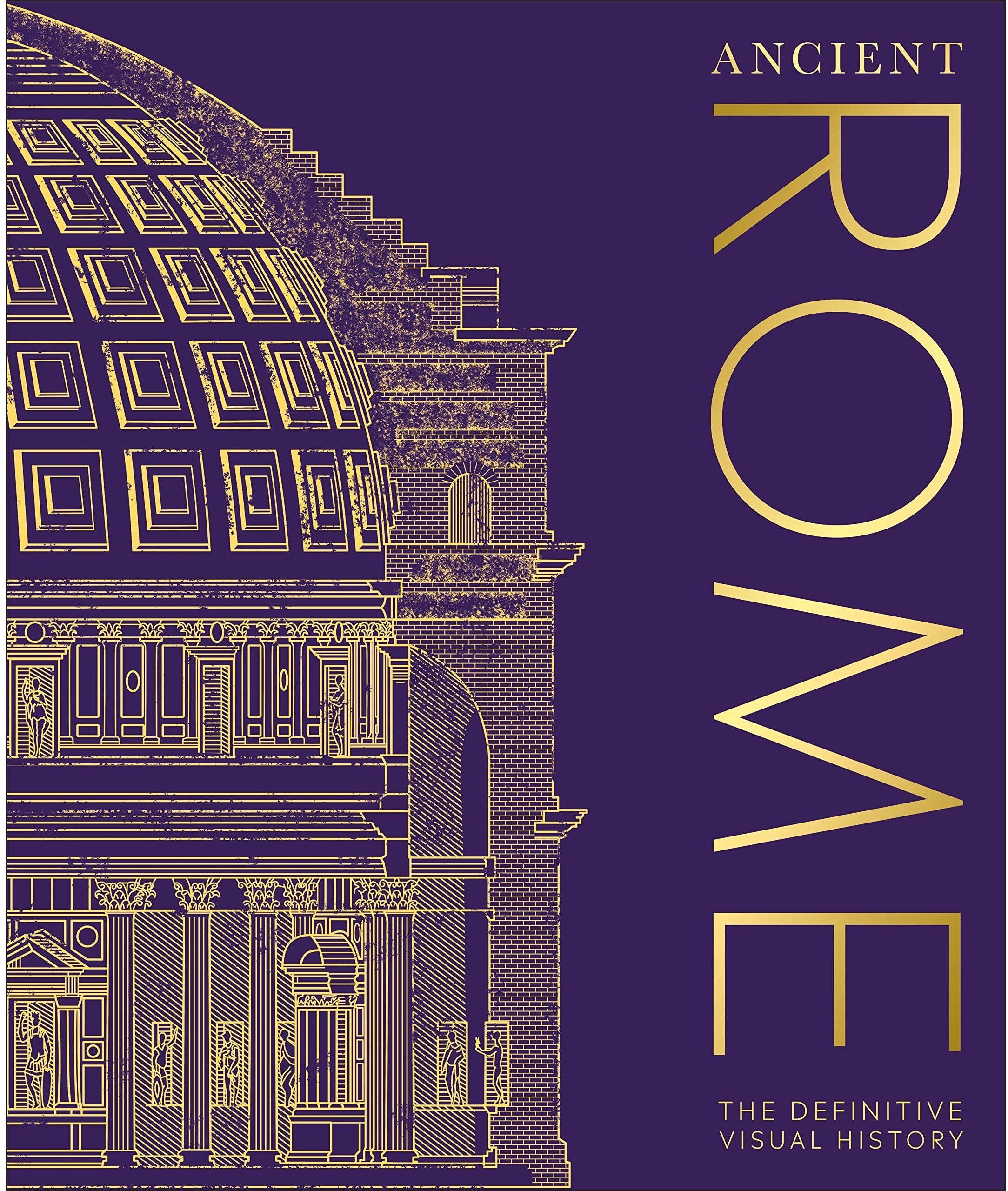
Ancient Rome: The Definitive Visual History (DK Classic History)Immerse yourself in the history of ancient Rome - from its origins as a small settlement on the Palatine Hill to its peak as an empire reigning over 90 million people, and its tumultuous decline. Covering more than 1,000 years of history, and an empire that stretched from Scotland to Syria, Ancient Rome reveals in vivid detail all of the key political, cultural, and military events that shaped the Roman Empire and explores what it was like to live in a society that laid the foundations for many aspects of the modern world. Sumptuous photography and engaging text cover every facet of life in ancient Rome, from art, entertainment, and fashion to engineering, medicine, and war, while detailed maps trace the rise of the mighty Roman Empire. Step back in time in the pages of this history book to discover:- Themed spreads explore developments in areas such as sculpture, religion, warfare, and engineering. - Includes tales of the most dramatic events and battles in Roman history, as well as profiles of influential historical and cultural figures. - An optional 80pp reference section includes sections on rulers, gods and goddesses, and key sites. Featuring Rome's greatest emperors, from Augustus to Constantine, as well as profiles of generals, historians, and influential women, Ancient Rome also delves into the fascinating stories of gladiators, bakers, and enslaved people. The most iconic buildings of Rome are brought to life with specially commissioned CGI recreations, while the stories of ordinary citizens, soldiers, and persecuted groups from across the empire are told with the help of illustrations, artefacts, and eyewitness accounts. Beautifully illustrated and unparalleled in scope, Ancient Rome is the perfect book for anyone who is interested in this defining period of world history.19,95 £*Shipping: 2,99 £Secure redirect to the provider
-
Titan Assassins Creed - The Complete Visual History: The Definitive Visual HistoryThis stunning book explores the rich mythology of Assassins Creed®, featuring the art and history of the series from the first groundbreaking game through the graphic novels to the DLCs. Highlighting the lush and vibrant art that has become a hallmark of the series, this luxury coffee-table book brings the games famous historical locations and figures to life and explores the evolution of each iconic Assassin and Templar.15,99 £*Shipping: 2,99 £Secure redirect to the provider
-
'Aerobic or anaerobic?'
Aerobic exercise refers to activities that require oxygen to meet the body's energy demands, such as running, swimming, or cycling. These activities help improve cardiovascular health, endurance, and overall fitness. Anaerobic exercise, on the other hand, involves short bursts of intense activity that do not rely on oxygen for energy production, such as weightlifting or sprinting. Both types of exercise are important for overall health and fitness, with aerobic exercise focusing on endurance and cardiovascular health, while anaerobic exercise helps build strength and power. **
-
Is photosynthesis an aerobic or anaerobic process?
Photosynthesis is an aerobic process, meaning it requires the presence of oxygen to occur. During photosynthesis, plants use sunlight to convert carbon dioxide and water into glucose and oxygen. This process takes place in the chloroplasts of plant cells and is essential for the production of energy-rich molecules that sustain life on Earth. Without oxygen, photosynthesis cannot occur, making it a fundamentally aerobic process. **
-
Is aerobic and anaerobic cellular respiration the same thing?
No, aerobic and anaerobic cellular respiration are not the same thing. Aerobic respiration requires oxygen to break down glucose and produce energy, while anaerobic respiration does not require oxygen and produces energy through a different process, such as fermentation. Aerobic respiration is more efficient and produces more energy compared to anaerobic respiration. **
-
Is the anaerobic heart rate too high when running?
The anaerobic heart rate can become too high when running if the intensity of the exercise exceeds the body's ability to supply enough oxygen to the muscles. This can lead to a buildup of lactic acid in the muscles, causing fatigue and discomfort. It's important to monitor your heart rate and adjust your running pace to ensure that you stay within a safe and sustainable anaerobic zone. Training at too high of an anaerobic heart rate for extended periods can lead to overtraining and potential injury. **
Similar search terms for Anaerobic
-
Fox Eye Publishing Introduction to History 20 Books Collection Box Set – Educational History Learning CollectionIntroduction to History 20 Books Collection Box Set (The Aztecs, Castles, Celts, Ancient China, Discovering the Past, Egyptians, Ancient Greeks, The Maya, Romans, Vikings, Great Explorers and More) Books in This Collection: Introduction to The Aztecs Introduction to Castles Introduction to Celts Introduction to Ancient China Introduction to Discovering the Past Introduction to Egyptians Introduction to Ancient Greeks Introduction to The Maya Introduction to Romans Introduction to Vikings Introduction to Great Explorers Introduction to Great Inventors Introduction to Great Scientists Introduction to Industrial Revolution Introduction to Kingdoms of the Past Introduction to Mysterious Tombs and Treasures Introduction to Strange Places Introduction to The Victorians Introduction to World War I Introduction to World War II12,99 £*Shipping: 2,99 £Secure redirect to the provider
-
OM Books International Encyclopedia of History 8 Books Collection Set – World War History & Educational Learning CollectionEncyclopedia of History set of 8 books (World War I, World War II, World War II and Indias Freedom Struggle, Mid Nineteenth and Twentieth Centuries, The French Revolution & More): Titles in This Set: Encyclopedia: World War I Encyclopedia: World War II Encyclopedia: World War II and Indias Freedom Struggle Encyclopedia: Mid Nineteenth and Twentieth Centuries Encyclopedia: The French Revolution Encyclopedia: Middle Ages and the Emergence of Modern Europe Encyclopedia: Prominent Civilisations Encyclopedia: Ancient History Description: What made humans the way they are today? How were civilisations formed and erased? What makes up history? Get answers to all the questions and more in this history encyclopedia. Go back in time and learn all about human history, right from the time man began his journey in stone caves. Relive epic battles, learn about the rise and fall of great empires and a lot more.9,90 £*Shipping: 2,99 £Secure redirect to the provider
-
DWINGULER Castle PlaypenLet your children be the King or Queen of their castle! This playpen is perfect for the little ones that have a big imagination. Has a wide but light design to provide your kids with maximum safety and enough room to play.249,00 $*Shipping: 0,00 $Secure redirect to the provider
-
How does something suddenly change from aerobic to anaerobic?
Something can suddenly change from aerobic to anaerobic when there is a sudden increase in the demand for energy and the body's oxygen supply becomes limited. This can occur during intense physical activity or exercise when the muscles require more energy than can be supplied by aerobic metabolism alone. As a result, the body switches to anaerobic metabolism, which does not require oxygen but produces lactic acid as a byproduct. This shift allows the muscles to continue working, but it also leads to the buildup of lactic acid and fatigue. **
-
How do I increase the anaerobic threshold while jogging?
To increase your anaerobic threshold while jogging, you can incorporate interval training into your routine. This involves alternating between periods of high-intensity running and lower-intensity recovery periods. This type of training helps improve your body's ability to tolerate and buffer lactic acid, which can increase your anaerobic threshold. Additionally, incorporating strength training exercises, such as hill sprints or resistance training, can also help improve your anaerobic threshold while jogging. Finally, make sure to gradually increase the intensity and duration of your workouts to avoid overtraining and injury. **
-
What is the difference between anaerobic and nasal breathing?
Anaerobic breathing is a form of respiration that occurs without the use of oxygen, typically during high-intensity exercise when the body cannot supply enough oxygen to the muscles. This type of breathing produces lactic acid as a byproduct, leading to muscle fatigue and soreness. On the other hand, nasal breathing involves inhaling and exhaling through the nose, which helps to filter, warm, and humidify the air before it reaches the lungs. Nasal breathing also promotes better oxygen uptake and carbon dioxide release, and can help to regulate the body's pH levels. **
-
What is the difference between anaerobic and aerobic energy production?
Anaerobic energy production occurs in the absence of oxygen and involves the breakdown of glucose to produce energy quickly, but less efficiently, resulting in the accumulation of lactic acid. Aerobic energy production, on the other hand, requires oxygen and involves the breakdown of glucose and fatty acids to produce energy more efficiently, without the accumulation of lactic acid. Aerobic energy production is sustainable for longer periods of time and is the primary energy source for activities that are low to moderate in intensity and longer in duration. **
* All prices are inclusive of VAT and, if applicable, plus shipping costs. The offer information is based on the details provided by the respective shop and is updated through automated processes. Real-time updates do not occur, so deviations can occur in individual cases. ** Note: Parts of this content were created by AI.