Buy sirmione.eu ?
We are moving the project
sirmione.eu .
Are you interested in purchasing the domain
sirmione.eu ?
domain@kv-gmbh.de · 0541-91531010
Buy sirmione.eu ?
Which German songs contain figurative language?
Some German songs that contain figurative language include "99 Luftballons" by Nena, which uses the metaphor of balloons to symbolize the threat of nuclear war, and "Du Hast" by Rammstein, which uses the metaphor of marriage vows to explore themes of commitment and betrayal. Additionally, "Über den Wolken" by Reinhard Mey uses the metaphor of flying above the clouds to represent a sense of freedom and escape. These songs showcase how figurative language can add depth and emotion to the lyrics, making them more impactful for listeners. **
How do I recognize figurative language?
Figurative language can be recognized by looking for words or phrases that are not meant to be taken literally. This can include similes, metaphors, personification, and hyperbole. Look for comparisons, exaggerations, or descriptions that go beyond the literal meaning of the words. Figurative language is often used to create vivid imagery, convey emotions, or add depth to the meaning of a text. **

Similar search terms for Non-figurative
Top-Angebote
Products related to Non-figurative:
-
The Black History Month Bundle 4 Books Collection Set - Fiction/Non Fiction - Paperback Books2DoorThis Black History Month, we’re excited to expand our Black Voices collection with a specially curated set for you, our beloved readers! We believe it’s essential to amplify Black voices and ensure they are heard loud and clear. To start, we’re offering a selection of books that span contemporary perspectives to historical insights. Start with Queenie, a modern classic that resonates with today’s audience, exploring the complexities of identity and belonging. Then, dive into Black and British, an essential non-fiction work that highlights the importance of understanding our history through the lens of Black voices, stories that must be shared and celebrated. We also have some beloved favourites to enrich your reading experience. The Color Purple is a powerful tale of resilience and empowerment that continues to inspire readers. Plus, don’t miss Keep the Receipts by The Receipts Media Ltd, a popular non-fiction book from our favourite podcasters that offers fresh perspectives and engaging conversations. Let’s celebrate Black voices together this month and beyond! Titles in this set: 1. The Color Purple: by Alice Walker (Fiction) 2. Queenie: by Candice Carty-Williams (Fiction) 3. Black and British: A Forgotten History: by David Olusoga (Non-Fiction) 4. Keep the Receipts: by The Receipts Media Ltd (Non-Fiction) Description: The Color Purple Set in the deep American South between the wars, THE COLOR PURPLE is the classic tale of Celie, a young black girl born into poverty and segregation. Raped repeatedly by the man she calls 'father', she has two children taken away from her, is separated from her beloved sister Nettie and is trapped into an ugly marriage. But then she meets the glamorous Shug Avery, singer and magic-maker - a woman who has taken charge of her own destiny. Gradually Celie discovers the power and joy of her own spirit, freeing her from her past and reuniting her with those she loves. Queenie Queenie is a twenty-five-year-old Black woman living in south London, straddling Jamaican and British culture whilst slotting neatly into neither. She works at a national newspaper where she's constantly forced to compare herself to her white, middle-class peers, and beg to write about Black Lives Matter. After a messy break up from her long-term white boyfriend, Queenie finds herself seeking comfort in all the wrong places. As Queenie veers from one regrettable decision to another, she finds herself wondering, What are you doing? Why are you doing it? Who do you want to be? - the questions that every woman today must face in a world that keeps trying to provide the answers for them. A darkly comic and bitingly subversive take on life, love, race and family, Queenie will have you nodding in recognition, crying in solidarity and rooting for this unforgettable character every step of the way. A disarmingly honest, boldly political and truly inclusive tale that will speak to anyone who has gone looking for love and acceptance and found something...26,99 £*Shipping: 2,99 £Secure redirect to the provider
-
Laural Home Sunset Lake Woven Throw Blanket"This lake inspired woven throw blanket, ""Sunset Lake,"" is truly one of a kind! Its artistic quality is beautifully detailed and shows a realistic scene of an evening at the lake. This throw will enhance any lake, lodge or cabin decor."97,99 $*Shipping: 0,00 $Secure redirect to the provider
-
Uplift Essentials Non Slip Waterproof Pet Food Placement & Litter Mat lake BlueKeep your homes floors pristine and introduce a delightful touch of modern organization to your pet's dining and restroom zones. Our premium waterproof pet placement mat offers a highly durable, dualpurpose containment solution engineered to lock...34,97 $*Shipping: 0,00 $Secure redirect to the provider


-
Can you help me with figurative language?
Of course! Figurative language includes techniques like similes, metaphors, personification, and hyperbole to create vivid imagery and convey meaning beyond the literal interpretation of words. I can provide examples and explanations of different types of figurative language to help you understand and use them effectively in your writing. Feel free to ask me any specific questions or examples you would like to learn more about! **
-
What other figurative holy objects are there?
Other figurative holy objects include the cross, which is a symbol of Christianity and represents the crucifixion of Jesus Christ. In Hinduism, the lotus flower is considered a holy symbol, representing purity and enlightenment. In Buddhism, the wheel of Dharma is a sacred symbol, representing the teachings of the Buddha and the path to enlightenment. Additionally, in Islam, the Kaaba in Mecca is considered a holy object, as it is the most sacred site in Islam and the direction of prayer for Muslims around the world. **
-
What is the difference between metaphorical and figurative?
Metaphorical language involves using a word or phrase in a non-literal way to create a comparison, often highlighting similarities between two seemingly unrelated things. On the other hand, figurative language is a broader term that encompasses various literary devices, including metaphors, similes, personification, and more. While metaphors specifically involve direct comparisons, figurative language is a more general term that encompasses any use of language beyond its literal meaning to create a deeper understanding or evoke emotions in the reader. **
-
What is the figurative language in Romeo and Juliet?
In Romeo and Juliet, there are various examples of figurative language used throughout the play. Some common types of figurative language found in the play include metaphors, similes, personification, and imagery. For example, Romeo compares Juliet to the sun in Act 2, Scene 2 when he says, "But, soft! What light through yonder window breaks? It is the east, and Juliet is the sun." This metaphor compares Juliet's beauty and brightness to the sun, emphasizing her importance to Romeo. These instances of figurative language help to enhance the emotional depth and imagery in the play. **


What does Hydra mean in a figurative sense nowadays?
In a figurative sense, Hydra is often used to describe a complex or multifaceted problem that seems to grow larger or more difficult to solve the more one tries to address it. Just like the Hydra of Greek mythology, which grew two heads for every one that was cut off, modern-day Hydras represent challenges that seem to multiply or evolve as one attempts to tackle them. The term is commonly used to convey the idea of a persistent and intricate issue that requires a comprehensive and strategic approach to overcome. **
What are the figurative language elements in this poem?
The figurative language elements in this poem include similes, such as "like a bird" and "like a flower," which compare the speaker's feelings to the natural world. There is also personification, as the speaker describes the heart as "aching" and the tears as "falling." Additionally, the use of imagery, such as "crimson petals" and "tears like rain," creates vivid mental pictures that evoke the emotions of the speaker. These figurative language elements help to convey the depth of the speaker's emotions and create a rich, sensory experience for the reader. **
Top-Angebote
Products related to Non-figurative:
-
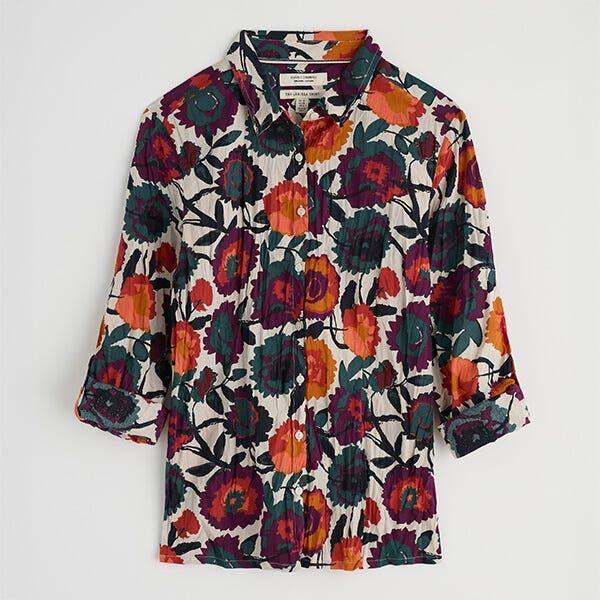
Seasalt Larissa Shirt Figurative Floral AranThe Seasalt Larissa Shirt in Figurative Floral Aran is made from the softest organic cotton with a casual crinkled appearance. The beauty of this shirt is that it doesn’t need ironing – just wash and twist to keep the crinkle. This semi-fitted style is easy-to-style and comfortable, with long sleeves and button loops so you can roll up the cuffs to change your look. Each season, it showcases some of our most-loved prints, created by our talented textile designers. Made from 100% Organic Cotton. Machine wash at 30°C.19,00 £*Shipping: 3,50 £Secure redirect to the provider
-
The Black History Month Bundle 4 Books Collection Set - Fiction/Non Fiction - Paperback Books2DoorThis Black History Month, we’re excited to expand our Black Voices collection with a specially curated set for you, our beloved readers! We believe it’s essential to amplify Black voices and ensure they are heard loud and clear. To start, we’re offering a selection of books that span contemporary perspectives to historical insights. Start with Queenie, a modern classic that resonates with today’s audience, exploring the complexities of identity and belonging. Then, dive into Black and British, an essential non-fiction work that highlights the importance of understanding our history through the lens of Black voices, stories that must be shared and celebrated. We also have some beloved favourites to enrich your reading experience. The Color Purple is a powerful tale of resilience and empowerment that continues to inspire readers. Plus, don’t miss Keep the Receipts by The Receipts Media Ltd, a popular non-fiction book from our favourite podcasters that offers fresh perspectives and engaging conversations. Let’s celebrate Black voices together this month and beyond! Titles in this set: 1. The Color Purple: by Alice Walker (Fiction) 2. Queenie: by Candice Carty-Williams (Fiction) 3. Black and British: A Forgotten History: by David Olusoga (Non-Fiction) 4. Keep the Receipts: by The Receipts Media Ltd (Non-Fiction) Description: The Color Purple Set in the deep American South between the wars, THE COLOR PURPLE is the classic tale of Celie, a young black girl born into poverty and segregation. Raped repeatedly by the man she calls 'father', she has two children taken away from her, is separated from her beloved sister Nettie and is trapped into an ugly marriage. But then she meets the glamorous Shug Avery, singer and magic-maker - a woman who has taken charge of her own destiny. Gradually Celie discovers the power and joy of her own spirit, freeing her from her past and reuniting her with those she loves. Queenie Queenie is a twenty-five-year-old Black woman living in south London, straddling Jamaican and British culture whilst slotting neatly into neither. She works at a national newspaper where she's constantly forced to compare herself to her white, middle-class peers, and beg to write about Black Lives Matter. After a messy break up from her long-term white boyfriend, Queenie finds herself seeking comfort in all the wrong places. As Queenie veers from one regrettable decision to another, she finds herself wondering, What are you doing? Why are you doing it? Who do you want to be? - the questions that every woman today must face in a world that keeps trying to provide the answers for them. A darkly comic and bitingly subversive take on life, love, race and family, Queenie will have you nodding in recognition, crying in solidarity and rooting for this unforgettable character every step of the way. A disarmingly honest, boldly political and truly inclusive tale that will speak to anyone who has gone looking for love and acceptance and found something...26,99 £*Shipping: 2,99 £Secure redirect to the provider
-
Which German songs contain figurative language?
Some German songs that contain figurative language include "99 Luftballons" by Nena, which uses the metaphor of balloons to symbolize the threat of nuclear war, and "Du Hast" by Rammstein, which uses the metaphor of marriage vows to explore themes of commitment and betrayal. Additionally, "Über den Wolken" by Reinhard Mey uses the metaphor of flying above the clouds to represent a sense of freedom and escape. These songs showcase how figurative language can add depth and emotion to the lyrics, making them more impactful for listeners. **
-
How do I recognize figurative language?
Figurative language can be recognized by looking for words or phrases that are not meant to be taken literally. This can include similes, metaphors, personification, and hyperbole. Look for comparisons, exaggerations, or descriptions that go beyond the literal meaning of the words. Figurative language is often used to create vivid imagery, convey emotions, or add depth to the meaning of a text. **
-
Can you help me with figurative language?
Of course! Figurative language includes techniques like similes, metaphors, personification, and hyperbole to create vivid imagery and convey meaning beyond the literal interpretation of words. I can provide examples and explanations of different types of figurative language to help you understand and use them effectively in your writing. Feel free to ask me any specific questions or examples you would like to learn more about! **
-
What other figurative holy objects are there?
Other figurative holy objects include the cross, which is a symbol of Christianity and represents the crucifixion of Jesus Christ. In Hinduism, the lotus flower is considered a holy symbol, representing purity and enlightenment. In Buddhism, the wheel of Dharma is a sacred symbol, representing the teachings of the Buddha and the path to enlightenment. Additionally, in Islam, the Kaaba in Mecca is considered a holy object, as it is the most sacred site in Islam and the direction of prayer for Muslims around the world. **
Similar search terms for Non-figurative
-
Laural Home Sunset Lake Woven Throw Blanket"This lake inspired woven throw blanket, ""Sunset Lake,"" is truly one of a kind! Its artistic quality is beautifully detailed and shows a realistic scene of an evening at the lake. This throw will enhance any lake, lodge or cabin decor."97,99 $*Shipping: 0,00 $Secure redirect to the provider
-
Uplift Essentials Non Slip Waterproof Pet Food Placement & Litter Mat lake BlueKeep your homes floors pristine and introduce a delightful touch of modern organization to your pet's dining and restroom zones. Our premium waterproof pet placement mat offers a highly durable, dualpurpose containment solution engineered to lock...34,97 $*Shipping: 0,00 $Secure redirect to the provider
-
24 Hours in Ancient History Series 5 Books Collection Set - Non Fiction - Paperback Michael O'Mara Books LtdTitles in this Set: 1. 24 Hours in Ancient Rome 2. 24 Hours in Ancient Egypt 3. 24 Hours in Ancient Athens 4. 24 Hours in Ancient China 5. 24 Hours in the Viking World Description: 24 Hours in Ancient Rome Walk a day in a Roman’s sandals ... What was it like to live in one of the ancient world’s most powerful and bustling cities – one that was eight times more densely populated than modern day New York? In this entertaining and enlightening guide, bestselling historian Philip Matyszak introduces us to 24 characters who lived and worked there. In each hour of the day we meet a new character – from a senator to a slave girl, a gladiator to an astrologer, watchmen to washerwomen – and discover the fascinating details of their daily lives. 24 Hours in Ancient Egypt Spend 24 hours with the inhabitants of the most powerful kingdom in the ancient world. Ancient Egypt wasn’t all pyramids, sphinxes and gold sarcophagi. For your average Egyptian, life was tough, and work was hard, conducted under the burning gaze of the sun god Ra. During the course of a day in the ancient city of Thebes (modern-day Luxor), Egypt’s religious capital, we meet 24 Egyptians from all strata of society – from the king to the bread-maker, the priestess to the fisherman, the soldier to the midwife – and get to know what the real Egypt was like by spending an hour in their company. We encounter a different one of these characters every hour and in every chapter, and through their eyes see what an average day in ancient Egypt was really like. 24 Hours in Ancient Athens Spend 24 hours with the ancient Athenians. See the city through their eyes as it teeters on the edge of the fateful war that would end its golden age. Athens, 416 BC. A tenuous peace holds. The city-state’s political and military might are feared throughout the ancient world; it pushes the boundaries of social, literary and philosophical experimentation in an era when it has a greater concentration of geniuses per capita than at any other time in human history. Yet even geniuses go to the bathroom, argue with their spouse and enjoy a drink with friends. During the course of a day we meet 24 Athenians from all strata of society – from the slave-girl to the councilman, the vase painter to the naval commander, the housewife to the hoplite – and get to know what the real Athens was like by spending an hour in their company. We encounter a different one of these characters every chapter, with each chapter forming an hour in the life of the ancient city. We also get to spy on the daily doings of notable Athenians through the eyes of regular people as the city hovers on the brink of the fateful war that will destroy its golden age. 24 Hours in Ancient China Spend 24 hours with the ancient Chinese. The year is AD 17. The Han dynasty is in power and we are in and around Chang’an, the capital and one of the most developed regions of the empire, which is enjoying a prolonged economic and cultural pinnacle. There are...29,99 £*Shipping: 2,99 £Secure redirect to the provider
-
Godzilla: The First 70 Years By Steve Ryfle and Ed Godziszewski: The Official Illustrated History of the Japanese Productions - Non Fiction - Hardback AbramsAn epic celebration of Godzilla’s 70th anniversary, exploring every aspect of the creation, design, and evolution of King of the Monsters in Toho Studios' films and TV series from 1954 to the present. Godzilla: The First 70 Years is a narrative and visual history of Japan’s King of the Monsters, chronicling the triumphs, challenges, and meaning of seven decades of city-trashing, kaiju-smashing mayhem. It's also a tribute to Godzilla’s creators and costars—the filmmakers, special-effects wizards, cast members, even the stuntmen inside the monster suit—and an appreciation of the behind-the-scenes artistry involved in bringing Godzilla to cinematic life, then and now. Extensive visuals detail the evolution of kaiju design, as well as profile the creative contribution and SFX developments across seven decades of exceptional filmmaking and innovation.34,99 £*Shipping: 2,99 £Secure redirect to the provider
-
What is the difference between metaphorical and figurative?
Metaphorical language involves using a word or phrase in a non-literal way to create a comparison, often highlighting similarities between two seemingly unrelated things. On the other hand, figurative language is a broader term that encompasses various literary devices, including metaphors, similes, personification, and more. While metaphors specifically involve direct comparisons, figurative language is a more general term that encompasses any use of language beyond its literal meaning to create a deeper understanding or evoke emotions in the reader. **
-
What is the figurative language in Romeo and Juliet?
In Romeo and Juliet, there are various examples of figurative language used throughout the play. Some common types of figurative language found in the play include metaphors, similes, personification, and imagery. For example, Romeo compares Juliet to the sun in Act 2, Scene 2 when he says, "But, soft! What light through yonder window breaks? It is the east, and Juliet is the sun." This metaphor compares Juliet's beauty and brightness to the sun, emphasizing her importance to Romeo. These instances of figurative language help to enhance the emotional depth and imagery in the play. **
-
What does Hydra mean in a figurative sense nowadays?
In a figurative sense, Hydra is often used to describe a complex or multifaceted problem that seems to grow larger or more difficult to solve the more one tries to address it. Just like the Hydra of Greek mythology, which grew two heads for every one that was cut off, modern-day Hydras represent challenges that seem to multiply or evolve as one attempts to tackle them. The term is commonly used to convey the idea of a persistent and intricate issue that requires a comprehensive and strategic approach to overcome. **
-
What are the figurative language elements in this poem?
The figurative language elements in this poem include similes, such as "like a bird" and "like a flower," which compare the speaker's feelings to the natural world. There is also personification, as the speaker describes the heart as "aching" and the tears as "falling." Additionally, the use of imagery, such as "crimson petals" and "tears like rain," creates vivid mental pictures that evoke the emotions of the speaker. These figurative language elements help to convey the depth of the speaker's emotions and create a rich, sensory experience for the reader. **
* All prices are inclusive of VAT and, if applicable, plus shipping costs. The offer information is based on the details provided by the respective shop and is updated through automated processes. Real-time updates do not occur, so deviations can occur in individual cases. ** Note: Parts of this content were created by AI.