Buy sirmione.eu ?
We are moving the project
sirmione.eu .
Are you interested in purchasing the domain
sirmione.eu ?
domain@kv-gmbh.de · 0541-91531010
Buy sirmione.eu ?
What is the difference between self-pollination and cross-pollination?
Self-pollination occurs when pollen from the same plant fertilizes the ovules within the same flower or between different flowers on the same plant. This can happen through the transfer of pollen by wind, water, or self-pollinating mechanisms. On the other hand, cross-pollination involves the transfer of pollen from the male reproductive organ of one plant to the female reproductive organ of another plant of the same species. This process promotes genetic diversity and can result in stronger, more resilient offspring. **
Why is artificial cross-pollination a complicated process?
Artificial cross-pollination is a complicated process because it requires careful manipulation of the reproductive organs of plants to ensure successful fertilization. This involves identifying the right parent plants, timing the pollination process correctly, and ensuring that the pollen is transferred to the right part of the plant. Additionally, artificial cross-pollination requires meticulous attention to detail to prevent contamination from unwanted pollen and to maintain the genetic purity of the resulting offspring. Overall, the process demands precision and expertise to achieve the desired outcomes. **
Similar search terms for Cross-pollination
Top-Angebote
Products related to Cross-pollination:




-
What is pollination in flowers?
Pollination in flowers is the process by which pollen from the male reproductive organs (anthers) of a flower is transferred to the female reproductive organs (stigma) of the same or another flower, leading to fertilization and the production of seeds. This transfer of pollen can occur through various means, including wind, water, and animals such as bees, butterflies, and birds. Pollination is essential for the reproduction of flowering plants and the production of fruits and seeds. **
-
How does pollination occur in insects?
Pollination in insects occurs when they visit flowers in search of nectar or pollen. As they feed, they inadvertently brush against the reproductive parts of the flower, picking up pollen grains. When the insect moves to another flower of the same species, some of this pollen is transferred to the stigma, fertilizing the flower. This process allows for the successful reproduction of many plant species with the help of insect pollinators. **
-
What forms of pollination exist in primroses?
Primroses exhibit both self-pollination and cross-pollination. Self-pollination occurs when the plant's own pollen fertilizes its own ovules, leading to genetic uniformity. Cross-pollination, on the other hand, involves the transfer of pollen from one plant to another, promoting genetic diversity. Primroses can be pollinated by insects, such as bees and butterflies, as well as by wind. **
-
How does the pollination of insects occur?
Insect pollination occurs when insects, such as bees, butterflies, and beetles, visit flowers in search of nectar or pollen. As they move from flower to flower, they inadvertently transfer pollen from the male reproductive parts of one flower to the female reproductive parts of another. This transfer of pollen allows for fertilization and the production of seeds and fruits. Insects are attracted to flowers by their colors, scents, and nectar, and in the process of feeding, they facilitate the crucial process of pollination. **


What terms exist for external and internal pollination?
External pollination occurs when pollen is transferred between flowers by an external agent, such as wind, water, or animals. Internal pollination, on the other hand, occurs when pollen is transferred within the same flower or between flowers of the same plant. Both types of pollination are essential for the reproduction of many plant species. **
Do grapes only grow with pollination by bees?
No, grapes do not require pollination by bees to grow. Grapes are self-pollinating plants, meaning they have both male and female reproductive parts within the same flower, allowing them to pollinate themselves. While bees can help with pollination and increase grape yields, they are not necessary for grape production. **
Top-Angebote
Products related to Cross-pollination:
-
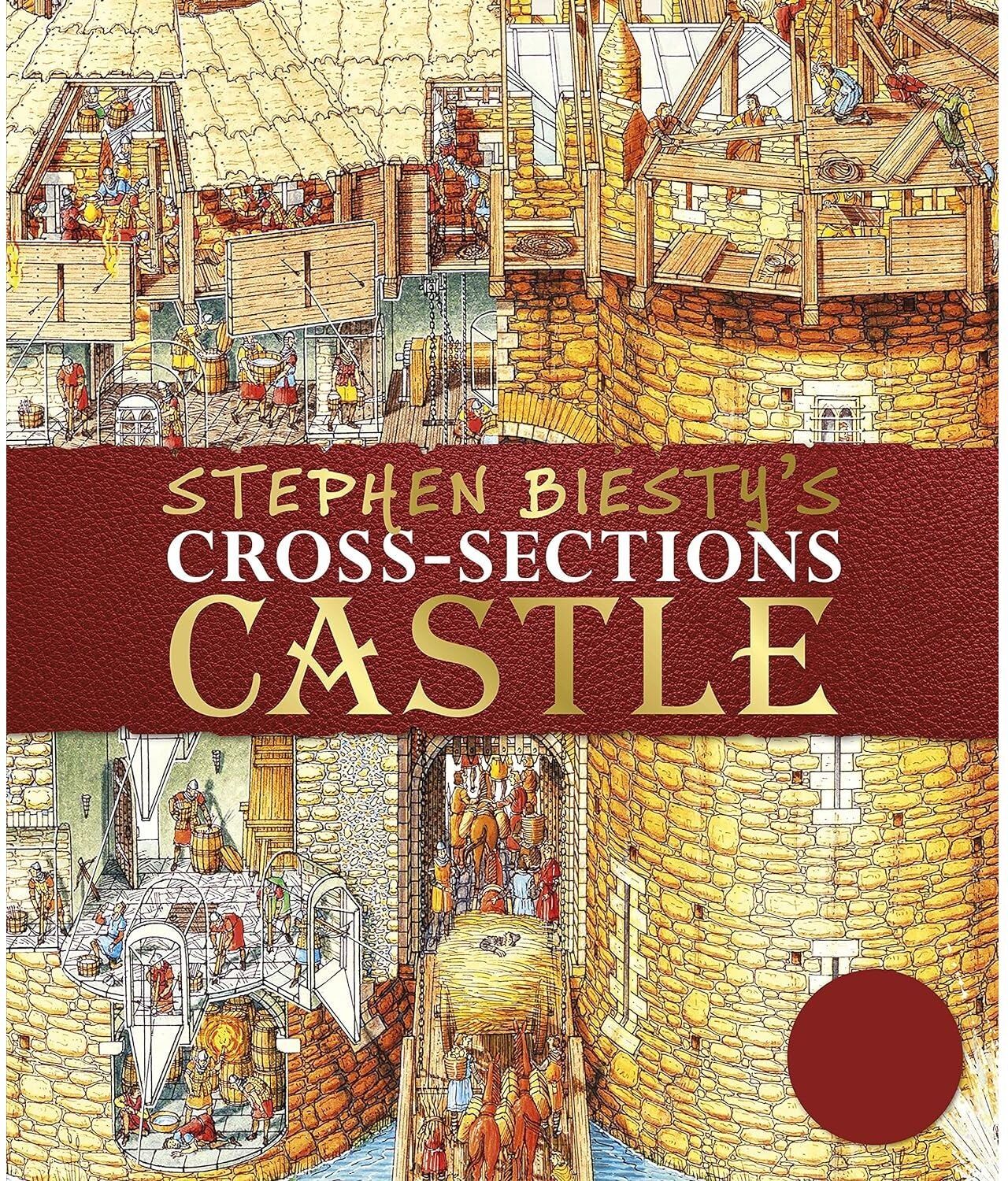
DK Stephen Biesty's Cross-Sections CastleHistory comes alive in this incredible children's illustrated book about castles. Slicing through different areas of a medieval fortress, extraordinary views reveal the people busy inside, and preparing for battle as an enemy army approaches. Packed with facts, you'll find out what it takes to build a massive 14th-century castle, dress a knight in armour, or prepare a feast fit for a king or queen. From the drawbridge to the dungeon, Cross-sections Castle swarms with the people who keep the castle ticking over - the workers, craftsmen, and servants. And, as you pore over every page, look out for the villainous spy. Is he in the well... the keep... the moat? No? Keep looking, he's there somewhere! Back in print after 20 years, you can cheer on jousters, be entertained by a troubadour, and witness the gory details of a traitor's demise. This unique illustrated book for kids is not just the story of a castle - it brings medieval history to life.6,99 £*Shipping: 2,99 £Secure redirect to the provider
-
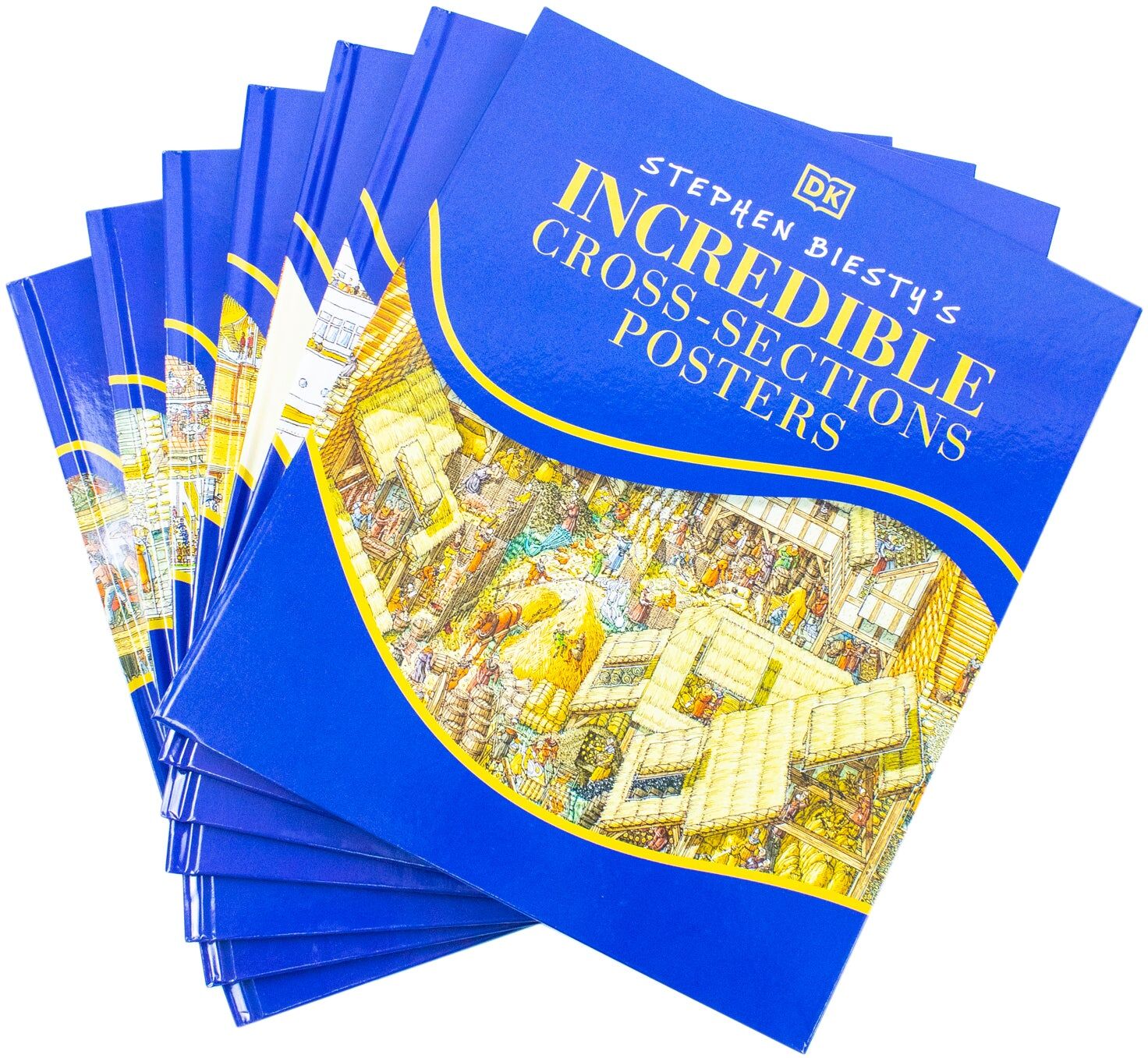
DK Stephen Biesty’s Incredible Cross-Sections 6-Book Collection Box Set + Poster Book (Cross-Sections Castle, Man-Of-War, Incredible Body Cross-Sections,Explore the hidden inner workings of history, machines, architecture and the human body with Stephen Biesty’s Incredible Cross-Sections – 6 Book Collection Box Set + Poster Book.Created by master illustrator Stephen Biesty, this stunning series presents some of the most detailed cutaways ever published. Readers can journey inside castles, ships, vehicles, and even the human body, discovering every room, chamber, mechanism and structure in extraordinary visual depth.Perfect for curious minds, visual learners, families, and anyone fascinated by how things work. Ideal for ages 8 to adult, this collection is widely used at home and in classrooms for STEM, history and art learning. The included poster book features large, collectible illustrations perfect for display. Titles in this Set: Cross-Sections Man-of-War Cross-Sections Castle More Incredible Cross-Sections Incredible Cross-Sections of Everything Incredible Body Cross-Sections Incredible Cross-Sections Giving you a deeper insight into how things work, there's a reason why Stephen Biesty's illustrated books have won multiple awards. They're fascinating, engaging, and sure to provide a whole heap of knowledge to your young one. Check out six of the famous titles all available in this fantastic collection. Lose yourself in the fascinating, detailed world of Stephen Biesty. See inside all sorts of objects and organisms from a 14th-century castle and an 18th-century warship to the human body and spacecraft. Gatefold spreads open wide to show you incredible cross-section diagrams.This boxed set includes 6 books and 6 posters.22,80 £*Shipping: 2,99 £Secure redirect to the provider
-
What is the difference between self-pollination and cross-pollination?
Self-pollination occurs when pollen from the same plant fertilizes the ovules within the same flower or between different flowers on the same plant. This can happen through the transfer of pollen by wind, water, or self-pollinating mechanisms. On the other hand, cross-pollination involves the transfer of pollen from the male reproductive organ of one plant to the female reproductive organ of another plant of the same species. This process promotes genetic diversity and can result in stronger, more resilient offspring. **
-
Why is artificial cross-pollination a complicated process?
Artificial cross-pollination is a complicated process because it requires careful manipulation of the reproductive organs of plants to ensure successful fertilization. This involves identifying the right parent plants, timing the pollination process correctly, and ensuring that the pollen is transferred to the right part of the plant. Additionally, artificial cross-pollination requires meticulous attention to detail to prevent contamination from unwanted pollen and to maintain the genetic purity of the resulting offspring. Overall, the process demands precision and expertise to achieve the desired outcomes. **
-
What is pollination in flowers?
Pollination in flowers is the process by which pollen from the male reproductive organs (anthers) of a flower is transferred to the female reproductive organs (stigma) of the same or another flower, leading to fertilization and the production of seeds. This transfer of pollen can occur through various means, including wind, water, and animals such as bees, butterflies, and birds. Pollination is essential for the reproduction of flowering plants and the production of fruits and seeds. **
-
How does pollination occur in insects?
Pollination in insects occurs when they visit flowers in search of nectar or pollen. As they feed, they inadvertently brush against the reproductive parts of the flower, picking up pollen grains. When the insect moves to another flower of the same species, some of this pollen is transferred to the stigma, fertilizing the flower. This process allows for the successful reproduction of many plant species with the help of insect pollinators. **
Similar search terms for Cross-pollination
-
What forms of pollination exist in primroses?
Primroses exhibit both self-pollination and cross-pollination. Self-pollination occurs when the plant's own pollen fertilizes its own ovules, leading to genetic uniformity. Cross-pollination, on the other hand, involves the transfer of pollen from one plant to another, promoting genetic diversity. Primroses can be pollinated by insects, such as bees and butterflies, as well as by wind. **
-
How does the pollination of insects occur?
Insect pollination occurs when insects, such as bees, butterflies, and beetles, visit flowers in search of nectar or pollen. As they move from flower to flower, they inadvertently transfer pollen from the male reproductive parts of one flower to the female reproductive parts of another. This transfer of pollen allows for fertilization and the production of seeds and fruits. Insects are attracted to flowers by their colors, scents, and nectar, and in the process of feeding, they facilitate the crucial process of pollination. **
-
What terms exist for external and internal pollination?
External pollination occurs when pollen is transferred between flowers by an external agent, such as wind, water, or animals. Internal pollination, on the other hand, occurs when pollen is transferred within the same flower or between flowers of the same plant. Both types of pollination are essential for the reproduction of many plant species. **
-
Do grapes only grow with pollination by bees?
No, grapes do not require pollination by bees to grow. Grapes are self-pollinating plants, meaning they have both male and female reproductive parts within the same flower, allowing them to pollinate themselves. While bees can help with pollination and increase grape yields, they are not necessary for grape production. **
* All prices are inclusive of VAT and, if applicable, plus shipping costs. The offer information is based on the details provided by the respective shop and is updated through automated processes. Real-time updates do not occur, so deviations can occur in individual cases. ** Note: Parts of this content were created by AI.